
Views: 0 Author: Site Editor Publish Time: 2026-03-19 Origin: Site


Pipes rarely fail all at once. More often, the trouble starts with moisture, surface scuffs, weather exposure, or repeated contact that slowly weakens the outer layer over time. That is exactly where Pipe Wrap Tape becomes useful. At Quansheng, we supply protective tape for practical installation environments, and many customers are not looking for decoration or minor accessory products. They want a simple way to help protect pipe surfaces before exposure turns into corrosion, abrasion, or avoidable maintenance. When used in the right place, pipe wrap tape works as a protective outer layer that helps extend service life and reduce unnecessary damage.
Pipe protection is often overlooked because the early damage does not look dramatic. A small worn area, slight surface rubbing, or light weather exposure may not seem urgent at first. But over time, those minor issues can develop into larger maintenance problems, especially where pipes are exposed or installed in demanding conditions.
Many pipes are damaged not by one major event, but by repeated contact. During transport, storage, installation, or daily use, pipes may rub against supports, other materials, rough surfaces, or moving equipment. Even light contact can leave scuffs, worn spots, or weakened outer surfaces if it continues long enough.
Pipe wrap tape helps by creating a protective barrier between the pipe and its surroundings. That added layer reduces direct surface wear and helps preserve the pipe exterior in places where contact is common. This is useful on exposed plumbing lines, service areas, construction sites, and utility spaces where pipes are likely to experience handling or friction.
It is also helpful during installation itself. Pipes often pass through narrow areas, around structures, or near fastening points. In those situations, protection is not just about long-term use. It starts from the moment the pipe is moved into place.
Moisture is one of the most common reasons pipe surfaces degrade early. Outdoor installations, humid utility rooms, underground sections, splash-prone areas, and poorly ventilated spaces can all expose pipes to repeated dampness. Once that happens, the outer surface becomes more vulnerable to corrosion, aging, or gradual deterioration.
Pipe wrap tape helps limit that exposure by covering the surface with a protective layer. It does not change the environment, but it helps reduce direct contact between the pipe and the moisture around it. That makes it valuable in both residential and commercial settings where water, condensation, or humidity is part of normal operating conditions.
This protection is especially important when the goal is to keep the pipe in good working condition for longer, not just react after visible damage has appeared. Preventing direct exposure is often much easier than correcting the surface after it has already started to weaken.
Exposed pipe runs face more than just water. Sunlight, airborne dirt, seasonal temperature changes, splash zones, and outdoor debris all affect surface condition over time. A pipe that looks fine when first installed may gradually lose protection if the surrounding environment is ignored.
Pipe wrap tape helps add a more durable outer layer where weather and contact are part of normal service conditions. In outdoor or semi-exposed areas, that extra layer helps reduce the effect of sun exposure, light abrasion, and general environmental wear. For customers managing pipes in changing climates or open service areas, this makes the product a practical part of surface protection rather than an optional extra.
Pipe wrap tape is used in many settings because pipe exposure is not limited to one industry. The environments may differ, but the basic need stays the same: protect the outside of the pipe before small damage becomes a bigger problem.
In residential and commercial plumbing, pipe wrap tape is often used on exposed sections, pipe runs through utility rooms, damp service corners, and areas where routine contact or moisture is expected. Pipes under sinks, around building service zones, near outdoor walls, or inside maintenance access spaces can all benefit from added surface protection.
This is one reason pipe wrap tape is regularly used in building maintenance and routine installation work. Not every pipe needs the same level of protection, but where exposure is visible and recurring, a wrap layer makes practical sense. It supports cleaner pipe surfaces and helps reduce early wear in areas that would otherwise be left unprotected.
For property maintenance teams, this can also support a more preventive approach. Protecting vulnerable sections in advance is often easier than waiting until wear becomes obvious enough to demand repair.
In construction, utility, and industrial settings, pipes may face rougher handling, more aggressive environments, and more demanding service conditions. Pipes can be routed through open areas, placed near support structures, exposed to repeated movement nearby, or installed where dust, dirt, and weather are constant factors.
Here, pipe wrap tape serves as a useful protective layer during both installation and service life. It helps reduce the effect of contact, surface wear, and environmental exposure across a wide range of pipe applications. While the installation context may be more technical, the benefit is still straightforward: protect the pipe surface so it remains in better condition over time.
That is why the product is relevant not only for simple plumbing work, but also for broader project environments where durability and maintenance planning matter.
Application area | Main risk | What pipe wrap tape helps prevent | Why PVC is useful |
Residential plumbing | Moisture and surface wear | Early deterioration on exposed sections | Flexible and easy to wrap |
Commercial utility rooms | Humidity and repeated contact | Surface damage in service spaces | Good barrier performance |
Outdoor pipe runs | Sun, splash, and dirt | Weather-related outer wear | Helps resist outdoor exposure |
Construction sites | Handling and abrasion | Scuffs and installation damage | Durable for practical use |
Industrial service areas | Contact and harsh surroundings | Faster surface aging | Protective outer layer |
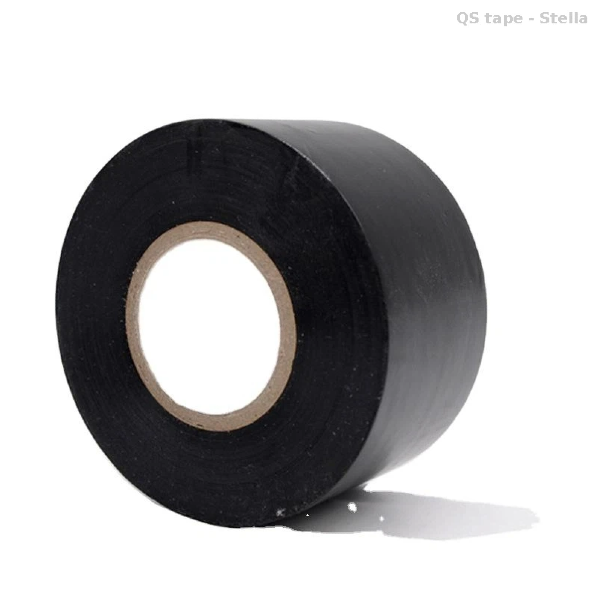
Not all wrap materials perform the same in real installation work. Straight pipe sections are one thing, but joints, curves, elbows, and fittings often reveal whether the product is easy to use and worth applying.
A tape that wraps neatly matters because pipe systems are not made of straight lines alone. Many applications include turns, fittings, transitions, and connection points where poor wrapping becomes more obvious. If the tape does not conform well, coverage becomes uneven and vulnerable spots are more likely to remain exposed.
PVC Pipe Wrap Tape adds practical value here because it can be wrapped more easily around changing shapes and tighter areas. That helps installers cover the pipe more consistently, especially where precision matters most. Good conformability also helps the finished wrap look cleaner and stay more uniform across the protected section.
The main reason customers search for this product is protection. PVC Pipe Wrap Tape helps provide a barrier against moisture, abrasion, and general outdoor exposure. That makes it a useful option where the pipe surface needs support against common environmental risks.
This added barrier is valuable because it addresses several everyday threats at once. Instead of leaving the surface directly exposed to dampness, contact, and weather, the tape helps create a layer between the pipe and the environment. For many installations, that simple change improves long-term condition and reduces the chance of early visible wear.
Some installations are left unprotected because the pipe appears fine at the beginning. That choice can seem harmless until the environment starts affecting the surface.
Waiting for damage to appear is rarely the most efficient approach. Once corrosion, abrasion, or surface aging becomes visible, correction is usually less convenient than prevention. Pipe wrap tape makes sense because it addresses the surface before those problems grow.
This is especially true in exposed areas, damp settings, and installations where inspection or later access may be inconvenient. Adding protection during installation or routine maintenance is often simpler than scheduling repair work after the fact. That logic gives the product a strong practical value. It is not about adding material without reason. It is about reducing avoidable damage before it becomes costly or disruptive.
A good result depends on using the tape in the right place and with the right expectations. Pipe conditions vary, so selection should follow the environment rather than assumptions.
Start with location. Indoor service areas, outdoor runs, underground sections, and high-humidity spaces create different protection needs. Then consider surface condition. A pipe that is already exposed to wear or irregular contact may need more careful wrapping than one in a sheltered position. Finally, think about exposure level. Moisture, abrasion, weather, and handling all affect how important surface protection becomes.
This simple framework helps customers understand whether pipe wrap tape is a practical fit for the job. It also makes product selection easier without turning the decision into something overly technical. In many common installations, the goal is straightforward: use a wrap tape that protects the pipe surface reliably in the conditions it will actually face.
Pipe Wrap Tape is mainly used to protect pipe surfaces before moisture, abrasion, corrosion, and weather exposure create larger maintenance problems. Quansheng supplies protective tape for real installation environments, helping customers improve pipe durability in plumbing, outdoor, commercial, and industrial applications. A dependable PVC Pipe Wrap Tape solution adds practical barrier performance, good wrapping usability, and broad application value where exposed pipe protection matters. If you are looking for a reliable pipe surface protection product for daily use or bulk supply, contact us to learn more.
Pipe wrap tape is mainly used to protect pipe surfaces from moisture, abrasion, weather exposure, and contact damage. It helps extend service life by adding a protective outer layer.
It is commonly used on residential plumbing lines, commercial utility pipes, outdoor pipe runs, construction projects, and industrial service areas where pipe surfaces are exposed.
Because it wraps more easily around bends, joints, and fittings, helping create more consistent coverage where straight application alone is not enough.
Yes. Preventive wrapping is usually more practical than waiting for surface damage, corrosion, or wear to develop and then dealing with repair later.


