
Views: 0 Author: Site Editor Publish Time: 2026-03-24 Origin: Site


Not every pipe protection tape does the same job, even when the products look similar at first glance. That is why Pipe Wrap Tape often causes confusion for users who are comparing options for plumbing, construction, outdoor installation, or maintenance work. At Quansheng, we supply tape for practical protection needs, and many customers are not really asking for tape names alone. They want to know which type works for moisture, which one handles abrasion, which one fits common pipe runs, and which one makes the most sense for daily use. The easiest way to understand pipe wrap tape types is to group them by material, build, and the kind of environment they are expected to face.
A clear grouping method makes product selection much easier. Instead of treating all pipe wrap products as one category, it is better to separate them by what they are meant to protect against and how they are used in the field.
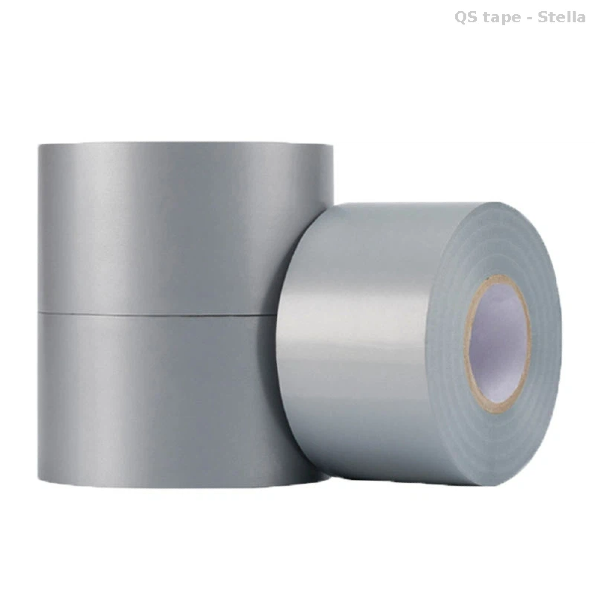
PVC-based wrap tape is one of the most familiar and practical categories for everyday pipe protection. It is widely used in plumbing, construction, building maintenance, and utility work because it offers a useful balance of flexibility, surface coverage, and barrier performance. For many customers, this is the first type they encounter because it fits a broad range of common applications.
Its main value comes from general-purpose protection. It helps shield pipe surfaces from moisture, abrasion, light outdoor exposure, and routine contact during service or installation. It is also easier to wrap around straight runs, curves, and fittings than some stiffer materials, which makes it practical for real working conditions rather than only ideal layouts.
For users looking for broad protective value without making the decision overly complicated, PVC Pipe Wrap Tape is often the most accessible starting point.
PE and PP-based wraps are often used in more specialized corrosion-control systems. These products are usually associated with field conditions where long-term barrier performance, system compatibility, or specific anti-corrosion requirements are more important than quick general-purpose application.
For many ordinary plumbing or maintenance jobs, this type may be more specialized than necessary. That is why it is helpful to recognize that some wraps are built for targeted protection programs rather than broad daily use. Understanding that difference helps customers avoid overcomplicating a standard protection task.
Some wrap products are designed less for outer-surface protection and more for sealing or repair support. Self-fusing tapes, for example, are often chosen for a different purpose than surface wrap tape. They may be useful when the application focuses on sealing behavior rather than basic environmental shielding.
This distinction matters because buyers sometimes group every pipe tape into one category. In practice, however, wrap protection tape and sealing tape are not always interchangeable. One is often chosen to protect the outside of the pipe from wear and exposure, while the other is used for a more specific repair or sealing role. Knowing that difference makes selection much more accurate.
Tape type | Best used for | Main strength | Less suitable for |
PVC-based wrap tape | General pipe protection in common environments | Moisture resistance, flexibility, easy wrapping | Highly specialized corrosion systems |
PE or PP-based wraps | More specific anti-corrosion setups | Strong barrier role in targeted conditions | Everyday quick wrapping needs |
Self-fusing or sealing wraps | Sealing-focused or repair-related tasks | Tight bonding for specific uses | Broad outer-surface protection work |
Material type is only part of the story. Pipe wrap tape also varies in build and thickness, and that affects how well it performs in different environments.
Lighter wraps can be enough when the pipe is in a less aggressive environment. Indoor service areas, light utility spaces, short exposed runs, and lower-contact zones often do not require the heaviest protective layer available. In those situations, a lighter wrap may provide adequate coverage while remaining easy to handle and apply.
This matters because more protection is not always better if it makes wrapping less efficient for the actual task. When the environment is moderate and the goal is basic surface protection, a simpler wrap can be the more practical choice.
As the environment becomes harsher, thickness and durability matter more. Outdoor pipe sections, rougher service zones, buried lines, and areas exposed to repeated friction or moisture place greater demands on the wrap. In those cases, a heavier build can help maintain protection where lighter materials may not be enough.
This does not mean every job needs the thickest product. It means the build of the tape should match the conditions. Where abrasion, weather, or long-term exposure is expected, stronger wrap construction usually provides better protective value.
The right tape type is easier to identify when the actual installation environment is clear. Pipes do not all face the same risks, so the best product is shaped by job conditions, not just product labels.
Outdoor above-ground pipes are exposed to sunlight, splash, airborne dirt, seasonal changes, and visible surface wear. These conditions increase the need for a wrap that provides barrier protection and holds up well in changing weather. For this kind of application, customers usually need a tape that combines practical flexibility with reliable protection against moisture and general exposure.
This is one reason PVC-based wraps are often considered for broad outdoor use. They are relatively easy to apply and support everyday protection without making the installation process overly complex.
Underground or concealed sections usually demand stronger attention to barrier protection and durability. Once the pipe is no longer easy to access, preventive protection becomes more important. The wrap should be suitable for the surrounding exposure level and should support longer-term surface defense.
This is where build quality, thickness, and moisture resistance all become more significant. Even when the section is not visible, the need for surface protection may be greater than on a simpler exposed run.
Not all sections are straight, and this is often where product usability becomes most obvious. Joints, elbows, fittings, and transitions need a tape that can conform neatly without leaving weak spots or inconsistent coverage. A product that looks strong on a flat sample may not wrap well around real pipe shapes.
That is why conformability matters almost as much as toughness. A tape must be able to follow the pipe layout, not just offer theoretical protection. In many everyday applications, this is one of the reasons PVC-based wrap products remain attractive.
Once users compare materials, thickness, and working conditions, one pattern becomes clear: many common jobs do not need the most specialized solution. They need the most usable one.
Most customers start with the same basic questions. Will the tape help against moisture? Can it protect the pipe surface from contact and abrasion? Will it wrap neatly around ordinary pipe shapes? Is it practical for daily installation work? PVC Pipe Wrap Tape answers these concerns more directly than many other categories.
It combines moisture resistance, general surface protection, useful conformability, and easier everyday handling. That makes it suitable for many plumbing, construction, outdoor, and maintenance situations where the goal is not a highly specialized system, but dependable pipe protection that works in real conditions.
This is the commercial core of the category. For a large share of ordinary jobs, PVC is not just one option among many. It is often the most efficient and workable place to begin.
Selection problems often come from focusing on names instead of actual use.
Products with similar names can serve different functions. Some are meant for broad protective wrapping, some are more specialized for anti-corrosion programs, and some are more closely tied to sealing tasks. When buyers rely only on the product name, they can easily end up with a tape that does not match the real protection goal.
A better approach is to look at what the pipe needs rather than what the label sounds like.
The simplest rule is to start with the main risk. Is the goal to improve moisture resistance, reduce abrasion, support outdoor exposure, add a corrosion barrier, or protect complex pipe shapes? Once that goal is clear, the right tape type becomes easier to identify.
This approach also keeps the choice practical. Instead of comparing too many technical terms at once, the user can connect the product directly to the working environment. For many common pipe runs, that process leads back to PVC wrap tape because it covers the broad needs most users are trying to solve.
Pipe Wrap Tape types become much easier to understand once they are grouped by material, build, and working environment instead of being treated as one single product category. Quansheng helps customers sort through those differences so they can choose a tape that matches moisture exposure, abrasion risk, surface shape, and installation conditions more accurately. For many everyday plumbing, outdoor, construction, and maintenance needs, PVC Pipe Wrap Tape is often the most practical and efficient option for broad protective use. If you are looking for reliable pipe protection products for regular application or bulk supply, contact us to learn more.
The main types are usually PVC-based wrap tape, PE or PP-based anti-corrosion wraps, and self-fusing or sealing wraps. Each type is designed for a different protection purpose.
Yes. It is often a practical choice for common plumbing, outdoor, and maintenance applications because it offers moisture resistance, surface protection, and good wrapping flexibility.
No. Some are used for general outer-surface protection, some for more specialized corrosion-control systems, and some for sealing-focused tasks. Similar names do not always mean the same function.
Start with the protection goal. Consider moisture, abrasion, outdoor exposure, corrosion risk, and the shape of the pipe section. That makes it easier to match the tape type to the real working condition.


