
Views: 0 Author: Site Editor Publish Time: 2026-03-10 Origin: Site


Neat paint lines, quick labels, temporary holding, and light surface protection all explain why Masking Tape remains a daily essential in homes, workshops, schools, and commercial spaces. At Quansheng, we produce tape for practical use, so we understand that customers are not just looking for adhesion. They want a tape that is easy to tear, simple to apply, and clean to remove. While many people first think of masking tape for painting, it is also widely used for organizing, craft work, marking, and short-term protection, which makes it one of the most useful general-purpose tapes on the market.
Masking tape is popular because it solves common problems quickly. It is not meant to be the strongest tape available, and that is exactly why it works so well for short-term tasks. Users often need a tape that can be placed fast, adjusted easily, and removed without creating extra cleanup.
The crepe paper backing gives masking tape its flexibility and convenience. It can be torn by hand in many situations, which saves time during painting, packaging prep, classroom work, and household tasks. That simple handling is one reason it stays useful across so many industries.
The paper backing also helps the tape follow corners, trim, curves, and light surface irregularities better than stiffer materials. Whether someone is masking a window edge, marking a craft layout, or protecting a small section during repair work, this flexibility makes the tape easier to position neatly.
Another reason masking tape is so widely used is its balanced adhesive strength. It stays in place during the task, but it is usually much easier to remove than heavy-duty tape. That matters in real work. A painter wants the tape to hold a paint line but not damage the surface during removal. A crafter wants materials held temporarily, not torn apart afterward. A worker labeling bins or tools wants a clear note that can still be replaced later.
This moderate adhesion makes masking tape a practical choice for painted walls, glass, metal, plastic containers, paper materials, and many other smooth or lightly textured surfaces. It supports efficiency because the job ends cleaner and with less rework.
Many searches for masking tape uses come from people who know the product, but do not realize how many situations it can handle. Its value goes far beyond simple paint prep.
Painting is still the most familiar application. Masking tape helps create cleaner boundaries between surfaces, which is why it is often used around trim, window frames, skirting boards, switch plates, and small repair zones. It gives users more control and helps paint work look more finished.
For touch-up jobs, masking tape is especially useful because it defines the work area and protects nearby surfaces. In maintenance painting, room refresh projects, or small renovation work, this can save both time and cleanup effort.
Masking tape is also a reliable tool for crafts and school activities. It can hold paper templates, divide color areas, mark cutting lines, and keep materials in place during setup. Because it tears easily and removes with less trouble, it suits the fast pace of creative work.
Teachers, students, and hobby users often rely on it for poster layout, classroom displays, stage prep, art projects, and handmade decorations. Its writable surface adds even more convenience, since notes, measurements, and labels can be added directly on the tape.
One of the most practical uses of masking tape is organization. In offices, warehouses, classrooms, workshops, and homes, people constantly need temporary labels. Storage bins, tool sets, sample bags, cables, and containers all benefit from quick identification.
Masking tape works well here because it is easy to write on and easy to replace. Unlike permanent stickers, it gives users flexibility. That makes it useful for short-term stock control, event setup, office relocation, classroom storage, and many everyday organization tasks.
Use case | Why it works | Best surface examples | One caution |
Painting edges and trim | Helps create cleaner boundaries | Walls, trim, window frames | Do not leave it on too long |
Touch-up repair | Protects nearby areas during small paint jobs | Drywall, painted boards | Press edges down evenly |
Crafts and school work | Easy to tear and position | Paper, cardboard, poster boards | Test on delicate materials |
Labeling and sorting | Writable surface for quick notes | Storage bins, tools, cables | Replace labels before they age |
Temporary holding | Keeps light materials in place | Templates, sample pieces | Not for heavy-duty holding |
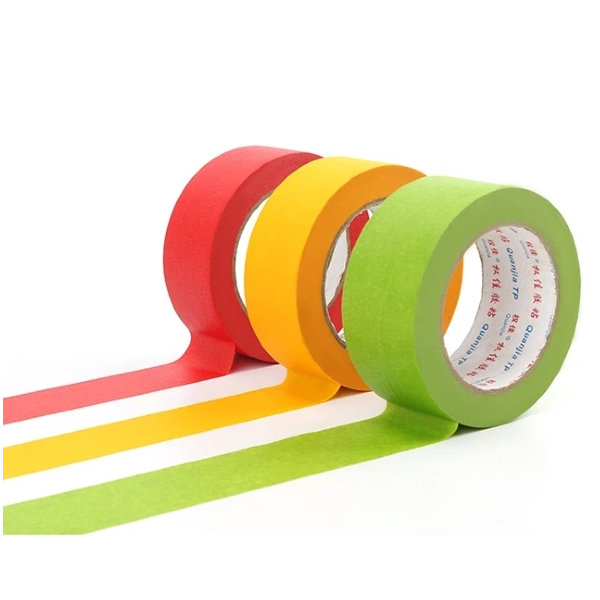
A useful article should also show where the product works best. Masking tape is versatile, but it performs best when the task is temporary and the surface still needs care.
Masking tape is ideal when the goal is to protect, separate, mark, or hold something for a limited period. That includes paint preparation, short-term labels, workshop marking, classroom projects, light bundling, and simple display setup. In these cases, users value speed, control, and easy removal more than permanent strength.
Its practical advantage is clear: the tape helps complete the task neatly without turning removal into another problem. For many customers, that is exactly what makes it worth buying.
At the same time, masking tape is not intended for every condition. It is not the best option for long-term outdoor exposure, heavy moisture, very rough surfaces, or demanding industrial sealing. When the job requires stronger environmental resistance or permanent bonding, a more specialized tape may be needed.
That does not weaken the value of masking tape. It simply defines its best use. For short-term masking, marking, organizing, and light protection, it remains one of the most efficient and convenient tape choices available.
Good product performance also depends on proper use. A few simple habits can improve application, line quality, and removal.
A clean, dry surface gives better adhesion and a cleaner result. Dust, grease, and moisture can prevent the tape from sitting flat, which may reduce line quality in painting or make labels less secure. Before applying masking tape, the area should be wiped and prepared properly.
It is also better to apply the tape in controlled sections instead of rushing with one long strip. Shorter lengths are easier to guide around corners and trim. Pressing the edge down evenly helps the tape stay flat and improves protection during the task.
Removal should be done carefully as well. Pulling the tape away slowly at an angle often gives a cleaner result than removing it too quickly. In painting, this can help preserve a sharper edge. For labels and temporary marking, it also reduces the chance of leaving residue or disturbing the surface.
Product consistency matters here too. A tape that tears cleanly, conforms well, and removes more smoothly makes daily work easier. That is why Quansheng focuses on practical performance customers can use across painting, organizing, and short-term protection tasks.
From paint preparation to labeling, craft work, and temporary surface protection, Masking Tape continues to be one of the most useful products for everyday work because it combines flexibility, control, and easy removal in a simple format. Quansheng develops tape for real application needs, helping customers handle short-term tasks more cleanly and efficiently with dependable crepe paper masking tape solutions. If you are looking for a practical tape for painting, organization, or general-purpose use, contact us to learn more about our products and bulk supply options.
No. Painting is the most familiar use, but masking tape is also widely used for labeling, sorting, temporary holding, craft work, and light surface protection.
Yes. One reason it is popular for organization is that users can write on the surface easily with pens or markers, which makes it useful for bins, tools, cables, and storage boxes.
In normal short-term use, it is designed for easier removal than many stronger tapes. Clean removal still depends on the surface, storage condition, and how long the tape stays in place.
Its crepe paper backing, easy tearability, and moderate adhesion make it convenient for tasks that need clean separation, quick marking, and simple removal after the work is done.


