
Views: 0 Author: Site Editor Publish Time: 2026-03-17 Origin: Site


Tapes play an integral role in various industries, from manufacturing and construction to electronics and packaging. Their primary function is to seal, protect, and bond materials in a way that is both efficient and reliable. However, not all tapes are created equal. Each type of tape offers specific advantages, depending on the application requirements, such as durability, heat resistance, and cost-effectiveness.
Mylar industry tape is one such specialized tape known for its durability and ability to withstand challenging environmental conditions. It is often used in industries that require high-performance tapes, including electronics, automotive, insulation, and packaging. However, with a variety of options available, it's important to understand how Mylar industry tape compares to other common tapes in terms of cost and value for different applications.
Mylar industry tape is a high-performance adhesive tape made from polyester film that is coated with a strong adhesive. It is specifically designed to offer superior strength, durability, and resistance to high temperatures, UV light, and harsh chemicals. This makes Mylar tape an ideal solution for specialized applications where standard tapes may not perform effectively.
Base Material: The core of Mylar industry tape is polyester, a strong and heat-resistant material that is ideal for heavy-duty applications.
Adhesive: Mylar tape uses a high-performance adhesive, typically silicone or acrylic, which provides strong adhesion even under extreme conditions. This adhesive helps the tape maintain its bond over long periods, even in tough environments.
Heat Resistance: Mylar tape can withstand high temperatures, making it suitable for applications in electronics, automotive, and insulation industries.
UV Stability: The tape is resistant to UV light, ensuring it maintains its integrity when exposed to sunlight for extended periods.
Chemical Resistance: Mylar tape is highly resistant to many chemicals, which makes it useful in industrial settings where exposure to solvents, oils, or acids is common.
Electrical Insulation: Many Mylar tapes are also used for electrical insulation, providing an extra layer of protection in electronics and electrical components.
When considering various tape options, several factors determine their overall cost. Understanding these factors can help businesses choose the best tape for their needs while staying within budget.
The base material plays a significant role in the price of the tape. High-performance materials, such as polyester (used in Mylar tape), tend to be more expensive than lower-cost materials like PVC or BOPP. Mylar’s superior resistance to heat, UV, and chemicals makes it more expensive than general-purpose tapes. However, its longevity and ability to perform under harsh conditions justify the higher cost in specific applications.
Durability is a key factor in determining the overall cost-effectiveness of a tape. Tapes that last longer and perform better under challenging conditions may have a higher initial cost but can save money over time due to fewer replacements and reduced downtime. Mylar tape is known for its exceptional durability, offering long-lasting seals and protection in industrial environments, making it a smart investment for businesses that require a high level of performance.
The adhesive used in the tape plays a significant role in its performance. Mylar tape uses a strong adhesive that maintains its bond over time, even in challenging conditions such as high temperatures or exposure to chemicals. Tapes with stronger adhesives tend to be more expensive due to the higher-quality materials used. While general-purpose tapes like PVC or BOPP have lower adhesive strength, Mylar tape’s superior adhesive properties make it the best option for applications requiring long-lasting, secure bonding.
Tapes that come with specialized features, such as heat resistance, UV stability, or electrical insulation, are typically more expensive. Mylar industry tape is often used in high-performance environments where these features are necessary. This includes industries like electronics, automotive, and aerospace. While these specialized tapes come with higher upfront costs, they provide added value by offering superior performance in specific applications.
Below is a detailed cost comparison between Mylar industry tape and other commonly used tape options, including PVC tape, BOPP tape, polyester tape, and polypropylene tape. The comparison highlights the key differences in price, durability, and typical applications, helping businesses decide which tape is best suited for their needs.
Tape Type | Price Range | Typical Applications | Durability | Special Features |
Mylar Industry Tape | High | Electronics, automotive, insulation | Long-lasting | Heat, UV resistance |
PVC Tape | Low-Medium | Electrical, packaging, sealing | Moderate | Flexible, water-resistant |
BOPP Tape | Low | Packaging, sealing | Moderate to High | Transparent, cost-effective |
Polyester Tape | Medium | Heavy-duty applications, metal | High | High tensile strength |
Polypropylene Tape | Low | General packaging, light sealing | Moderate | Lightweight, versatile |
Cost: Mylar tape is typically higher in cost due to its premium material and advanced performance capabilities.
Applications: It is widely used in electronics, automotive, and aerospace industries for insulation, heat resistance, and UV stability.
Durability: Mylar offers long-lasting durability, making it ideal for harsh environments.
Cost: PVC tape is typically much cheaper than Mylar tape.
Applications: Commonly used in electrical insulation, packaging, and sealing.
Durability: While PVC tape is flexible and water-resistant, it doesn’t perform as well under high-temperature conditions compared to Mylar tape.
Cost: BOPP tape is an affordable, cost-effective option used primarily for general packaging.
Applications: Widely used in sealing packages and cartons for transport.
Durability: Offers good durability for general sealing but may not hold up under extreme conditions like heat or UV exposure.
Cost: Polyester tape is priced moderately, higher than PVC but typically lower than Mylar.
Applications: Often used for heavy-duty applications requiring high tensile strength.
Durability: Polyester is highly durable and resistant to abrasion, but it doesn’t offer the same UV and heat resistance as Mylar.
Cost: Polypropylene tape is one of the least expensive options available.
Applications: Commonly used in general packaging and light-duty applications.
Durability: While it is lightweight and versatile, it doesn’t provide the same long-lasting protection as Mylar tape.
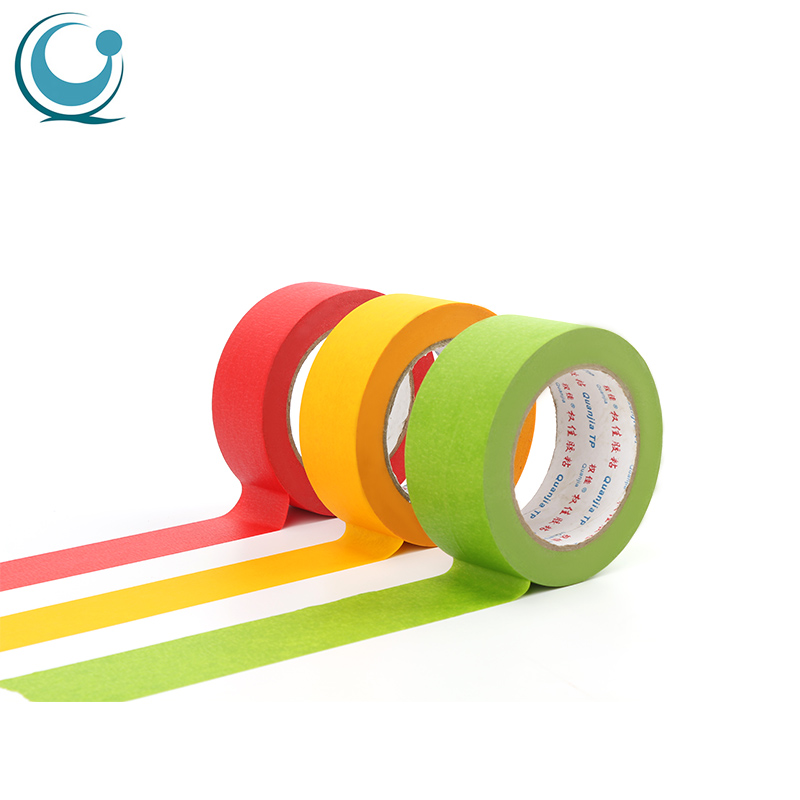
While Mylar industry tape comes with a higher upfront cost, its superior performance and longevity make it a highly cost-effective option in the long run. The following factors highlight the cost-efficiency of investing in Mylar tape:
Mylar tape is designed for high-performance applications, meaning that it lasts longer than other types of tape. For industries that require long-lasting sealing, insulation, or protection, Mylar tape eliminates the need for frequent replacements, ultimately saving money over time.
Because Mylar tape is durable and reliable, it reduces the risk of failure during operations. This means less downtime for businesses, reducing the time spent reapplying or replacing tapes and improving overall efficiency.
By providing a stronger, more reliable bond, Mylar tape reduces the chances of product damage during storage and transit. This leads to fewer damaged goods and lower costs associated with returns or rework.
Mylar tape is more expensive because it is made from high-performance polyester material that offers superior heat resistance, UV stability, and chemical resistance. The quality of its adhesive also contributes to its higher cost, but the durability it provides justifies the price in specialized applications.
While Mylar tape is ideal for specialized applications like electronics and automotive, it may be overkill for general packaging. More affordable options like BOPP or PVC tape are better suited for standard packaging tasks.
Mylar tape offers much higher performance in terms of heat resistance, UV stability, and chemical resistance, which makes it more expensive than PVC tape. PVC tape, however, is more cost-effective for general sealing and electrical applications but lacks the specialized properties of Mylar tape.
Businesses should consider investing in Mylar tape for applications that require long-lasting durability, such as sealing components in high-heat environments, insulation in electronics, or industrial applications that need UV and chemical resistance. The long-term savings on replacements and reduced downtime make it a wise choice for these applications.
When it comes to choosing the right tape for industrial applications, Mylar industry tape stands out for its durability, resistance to environmental factors, and specialized features. While it may come at a higher initial cost, its long-lasting performance and efficiency make it an excellent investment for businesses that require reliable sealing, insulation, or protection.
However, it’s important to weigh the cost against the application needs. For businesses that don’t require the advanced properties of Mylar tape, more affordable options like PVC, BOPP, or polypropylene tape may be suitable.
By considering the specific needs of your industry, whether it’s heat resistance, chemical protection, or durability, you can make an informed decision about which tape will provide the best value for your business.


