
Views: 0 Author: Site Editor Publish Time: 2026-04-14 Origin: Site


In any shipping or fulfillment environment, speed is never just about working faster. It is about reducing friction at every step so that people, materials, and processes move smoothly together. Many businesses spend time optimizing box sizes, labeling systems, storage layouts, and picking routes, but they often overlook one of the simplest factors in the entire workflow: Packing Tape. The tape you choose affects how quickly cartons are sealed, how securely packages travel, how often workers need to reapply strips, and how efficiently packing stations can operate under pressure. A poor tape choice can slow down production, create waste, increase carton failure risk, and add frustration to daily operations.
Packing tape may seem like a small consumable, but it plays a direct role in packaging consistency and output efficiency. In fast-moving operations, even a minor delay at the sealing stage can multiply across hundreds or thousands of cartons per day.
When tape does not unwind smoothly, workers lose time. When adhesion is weak, they double-tape boxes, which increases material use and labor. When tape fails in transit, the result can be damaged goods, customer complaints, and extra replacement costs. That means tape is not just a supply item; it is a workflow tool.
For warehouses, e-commerce sellers, manufacturers, and distributors, choosing the right packing tape for shipping can support better performance in three ways:
· Faster carton sealing
· Stronger package security
· Lower material waste
A good tape decision improves both the pace and reliability of the packing process.
Not all tapes are designed for the same working conditions. Some are made for light cartons and short transport distances, while others are engineered for rough handling, heavier loads, or variable temperatures.
A tape’s usefulness depends on several technical elements:
· Adhesive type: Determines how well the tape bonds to carton surfaces
· Backing film strength: Affects tear resistance and holding power
· Thickness: Influences durability and sealing confidence
· Unwinding performance: Impacts speed and operator comfort
· Environmental suitability: Matters in hot, cold, humid, or dusty conditions
The best tape is not always the thickest or most expensive. It is the tape that matches your carton weight, storage conditions, shipping route, and application method. Smart selection means fitting the tape to the job rather than relying on habit alone.
Many packaging delays are caused by predictable tape issues. Some of them appear minor at first, but over time they create a noticeable drag on output.
If the tape does not stick well the first time, workers often stop to press it down, add extra strips, or replace it completely. This is especially common when cartons have dusty surfaces, recycled fibers, or slight moisture exposure.
Weak or inconsistent backing can snap during dispensing. That interrupts motion, frustrates operators, and slows the sealing process.
In busy fulfillment settings, tape that is difficult to unwind can lead to hand fatigue and slower repetitive motion. It may not sound serious, but over long shifts it affects productivity.
When workers do not trust a tape’s holding strength, they often apply more than necessary. That increases cost per carton and reduces efficiency without solving the root problem.
These issues show why tape choice is closely connected to labor performance, not just package closure.
A smarter workflow begins by asking where and how the tape will be used. Different environments create different performance demands.
E-commerce operations often need speed, clean presentation, and reliable sealing for mixed carton sizes. A tape that runs smoothly through handheld dispensers and bonds quickly to corrugated boxes is usually ideal.
Heavier cartons require stronger holding power. In these settings, heavy duty packing tape can help reduce seal failure during stacking, loading, and long-distance transport.
Temperature affects adhesive behavior. If cartons are packed or stored in colder spaces, tape should be selected with those conditions in mind rather than using a general-purpose option.
Longer transit times, multiple handling points, and changing climates increase the need for dependable carton sealing. Tape used in these conditions should support consistency over time, not just initial stickiness.
A tape that works well in one environment may underperform in another. That is why operational context matters.
Packaging Need | What to Look For in Packing Tape | Workflow Benefit |
Light daily carton sealing | Smooth unwind, reliable adhesion, standard thickness | Faster routine packing |
Heavy cartons | Strong film backing, higher holding power | Better seal security |
High-volume warehouse use | Consistent roll quality, dispenser compatibility | Less interruption |
Cold storage or cooler areas | Adhesive suited for lower temperatures | More dependable sealing |
Long-distance shipping | Durable performance under pressure and handling | Reduced transit failure |
Mixed box sizes | Versatile tape with balanced tack and strength | Easier process standardization |
This kind of comparison helps teams choose tape based on real usage instead of guessing from appearance alone.
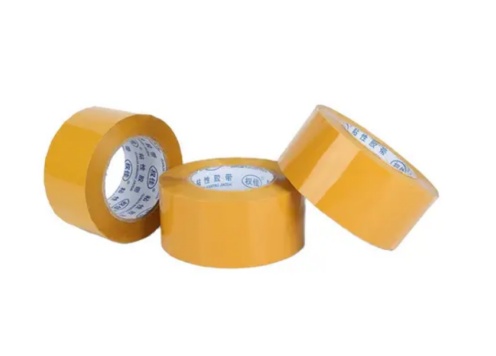
Once the right tape is introduced, improvements are often visible in several parts of the operation at the same time.
Tape that unwinds cleanly and cuts easily allows workers to keep their motion continuous. This matters most in repetitive packing work, where seconds saved per carton can lead to meaningful daily gains.
When the adhesive bonds well on first contact, workers spend less time correcting loose flaps or applying backup strips. That reduces rework and supports a smoother output rhythm.
A more reliable carton sealing tape reduces the tendency to overuse tape. Instead of three or four overlapping strips, one correct application may be enough.
Consistency helps both operations and brand perception. Uniform carton sealing looks more professional and creates fewer exceptions in the shipping process.
Productivity gains often come from reducing small problems repeatedly, and tape is one of those areas where small improvements add up quickly.
This is a common decision point, and the answer depends on what creates the biggest risk in your workflow.
If your team processes a large number of standard cartons every day, speed and ease of use may matter most. If your business ships heavier items or fragile products, holding strength becomes more important. If your packaging budget is under pressure, unit price may look like the key factor—but price alone can be misleading.
A cheaper tape that requires double application or causes package failures may cost more in total. A slightly better tape may reduce waste, cut packing time, and improve delivery outcomes. In other words, the lowest purchase cost is not always the lowest operating cost.
A balanced evaluation usually includes:
1. Tape cost per roll
2. Tape use per carton
3. Labor time during sealing
4. Package failure or rework risk
5. Performance across shipping conditions
The smartest choice is often the one that supports total workflow efficiency, not just short-term procurement savings.
The sealing stage is only one part of packaging, but it connects directly to speed, quality, and shipment readiness. A more efficient workflow is often built through small, practical improvements rather than dramatic changes. Tape is a good example of that principle. When the right tape is chosen, workers can move more confidently, cartons leave the line more securely, and the operation becomes easier to scale during peak demand.
From our perspective, businesses see the best results when tape selection is treated as part of packaging strategy rather than a routine supply purchase. At Zhejiang Quansheng New Material Technology Co., Ltd., we understand that packaging performance depends on reliability, consistency, and fit-for-purpose material choices. We believe the right Packing Tape should help customers work faster without sacrificing carton security or day-to-day practicality. If you are reviewing your sealing process, comparing tape options, or looking for more suitable solutions for shipping and warehouse operations, it is worth learning more from Zhejiang Quansheng New Material Technology Co., Ltd. and discussing which tape choices can better support your workflow in a realistic, professional way.
For everyday carton sealing, the best Packing Tape is usually one that offers smooth unwinding, reliable adhesion to corrugated boxes, and stable performance during normal storage and transit conditions.
You should consider heavy duty packing tape when sealing heavier cartons, stacked shipments, or packages likely to face rough handling during transportation.
Yes. A good carton sealing tape can improve packing speed by reducing breaks, minimizing resealing, and allowing faster, more consistent application at the packing station.
Common signs include tape lifting from box edges, frequent double-taping, split rolls during use, poor adhesion on corrugated surfaces, and increased carton failures in transit.


