
Views: 0 Author: Site Editor Publish Time: 2026-03-12 Origin: Site


Two rolls can look nearly the same on a shelf, yet produce very different results once the paint dries and the tape comes off. That is why Masking Tape is so often compared with painter’s tape before a project starts. At Quansheng, we supply tape for real application needs, and this question comes up because users are not looking for theory. They want to know which tape gives a cleaner line, which removes more safely, and which makes sense for the surface in front of them. When the discussion is painter’s tape vs masking tape, the right answer depends on the job, the finish standard, and how long the tape will stay in place.
The clearest difference is not appearance, but performance. Once the tape is pressed onto a wall, trim edge, or glass panel, the adhesive behavior becomes the real point of comparison.
Masking tape is designed for broad, flexible use. It works well for temporary holding, paint blocking, surface marking, and short indoor paint jobs where conditions are stable. That is one reason it remains common in workshops, maintenance work, commercial spaces, and household painting.
For painting, masking tape is often used when the task is simple and the finish does not require the highest level of precision. A quick room refresh, a repair patch, or temporary protection around fixtures can all suit masking tape well. It is easy to tear, quick to apply, and practical when speed matters.
Its value is not in being the most specialized option. Its value is in handling many everyday paint tasks efficiently. For users who need workable performance without unnecessary complexity, masking tape remains a reliable choice.
Painter’s tape is more directly aimed at finish work. It is often used when clean edges matter more, when the tape may remain on the surface longer, or when the paint finish is more delicate.
That is why painter’s tape is common in decorative painting, accent walls, trim detailing, and visible interior spaces where small flaws are easier to notice. It is less about general holding and more about how the tape seals the edge and releases later.
For jobs where the final appearance is the main priority, painter’s tape often feels like the safer option. Still, not every paint project needs that level of finish control, and that is where masking tape keeps its place.
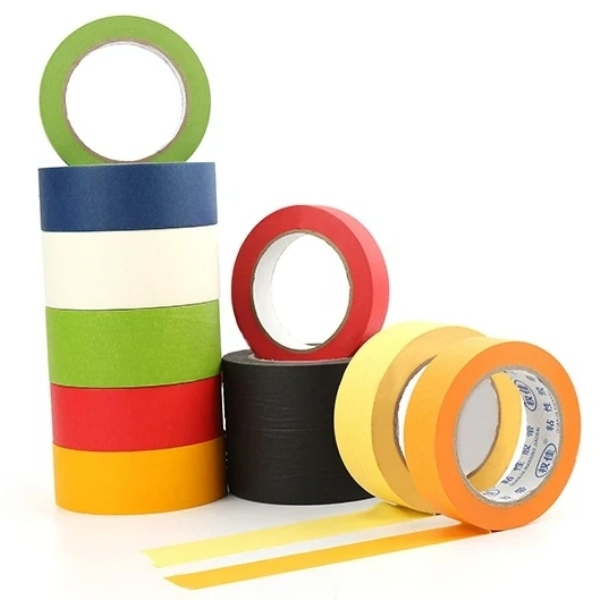
The difference becomes easier to judge once the painting begins. Edge quality, removal, and surface response are what most users actually care about.
For most painters, the first concern is line quality. A clean edge makes the whole project look better, while paint bleed quickly reduces that polished look.
Painter’s tape is often chosen because it is built with cleaner finish work in mind. It is commonly preferred for sharper separation between colors or between wall and trim.
Masking tape can still perform well on many paint jobs. When it is applied to a clean, dry surface, pressed down evenly, and removed at the right time, it can support neat results for standard interior work. But when the finish is highly visible, painter’s tape usually offers more control.
Removal timing matters more than many users expect. A tape that feels fine during painting can become frustrating if it leaves residue, lifts paint, or pulls unevenly.
Masking tape is often a good fit for shorter jobs where it will not stay on the surface too long. In those cases, it can remove cleanly and support a faster workflow. That makes it practical for quick repainting, touch-ups, and everyday paint prep.
Painter’s tape is often preferred when the project runs longer or the finish is more sensitive. On decorative work, even minor cleanup or edge repair may matter enough to justify the extra cost.
Painted surfaces do not all behave the same. Older trim, fresh wall paint, glass edges, patch areas, and small DIY surfaces all respond differently during masking and removal.
For lower-risk surfaces and short projects, masking tape is often a sensible option. It gives users enough control for routine work without overcomplicating the task. For delicate trim, already-finished surfaces, or visually important areas, painter’s tape is more often used because it better supports finish protection.
Touch-up work is a good example. If the repair area is small and the surrounding surface is not highly sensitive, masking tape may be enough. If the area is decorative and highly visible, painter’s tape may be the better choice.
Point of comparison | Masking Tape | Painter’s Tape | Practical takeaway |
Main purpose | General masking and temporary protection | Finish-focused paint masking | Choose based on job needs |
Edge quality | Good for standard paint work | Better for sharper lines | Decorative work favors painter’s tape |
Removal window | Best for shorter use | Often better for longer projects | Time on surface matters |
Surface sensitivity | Works for many routine surfaces | Better for delicate finishes | Test first when finish matters |
Cost focus | Practical for broad everyday use | Higher cost but more finish-oriented | Rework can cost more than tape |
Best job type | Quick indoor repainting and utility work | Accent walls, trim detail, clean finish jobs | Match tape to the result you want |
Painter’s tape gets more attention in finish discussions, but masking tape still makes strong practical sense in many painting situations.
Masking tape is often the better fit for short indoor jobs where efficient coverage matters more than premium decorative precision. Utility rooms, storage spaces, maintenance repainting, workshop walls, and quick interior touch-ups are all common examples.
It also suits fast-paced work. Teams handling repeated short painting tasks often need a tape that is easy to tear, easy to place, and economical to use. If the surface is stable and the tape will be removed in a reasonable time, masking tape remains a dependable solution.
This is why it continues to be widely used in professional and commercial settings. Many customers do not need a finish-specialized tape for every project. They need a practical tape that performs well in everyday paint work.
The added cost of painter’s tape becomes easier to understand when finish quality is the main concern.
Painter’s tape often makes more sense on accent walls, precise trim lines, color separation work, and longer indoor painting projects where the final look matters more than quick coverage.
When the line will be visible every day, even minor paint bleed or surface disturbance becomes more noticeable. That is why painter’s tape is often chosen for polished, high-visibility finishes.
A cheaper tape is not always the lower-cost option. If a project needs extra cleanup, touch-up painting, or edge correction, the true cost rises quickly.
This is where painter’s tape often justifies the premium. On jobs that must look finished the first time, the better match can save more than it costs. But for many routine paint tasks, masking tape still offers the more practical balance.
The fastest way to choose between the two is to look at the surface, the finish standard, and the removal timing before the first strip is applied.
Start with the surface. If it is routine, stable, and not highly sensitive, masking tape may be more than enough. If it is delicate, already finished, or visually important, painter’s tape may be safer.
Next, think about the finish. If the goal is tidy general coverage, masking tape is often the practical option. If the goal is a sharp decorative line, painter’s tape is usually the better match.
Finally, think about timing. Short, direct jobs often suit masking tape. Longer or more staged work may favor painter’s tape, especially when finish protection matters.
That simple comparison usually answers the question more clearly than packaging alone. The best tape is the one that fits the actual paint job.
For paint projects, Masking Tape is usually the better choice for shorter, broader, and more flexible applications, while painter’s tape is more suitable when edge sharpness and surface protection matter most. Quansheng supplies tape for real painting conditions, helping customers manage paint preparation with better control and more practical product choices. If you need a dependable option for general paint masking and multi-use surface protection, our paint masking tape solutions are ready to support daily application and bulk orders. Contact us to learn more.
Yes. For standard interior wall painting, touch-ups, and short paint jobs, masking tape is often sufficient, especially when the surface is stable and the finish does not require decorative precision.
The main difference is use focus. Masking tape is more general-purpose, while painter’s tape is more often designed for cleaner lines, gentler removal, and finish-sensitive surfaces.
It can if the surface is delicate, the tape stays on too long, or removal is rushed. Proper application and timely removal help reduce that risk.
Painter’s tape is usually worth the extra cost for accent walls, visible trim lines, delicate painted surfaces, or projects where rework would cost more than the tape itself.


