
Views: 0 Author: Site Editor Publish Time: 2026-03-17 Origin: Site


Clean results with Masking Tape usually come from sequence, not complicated tools. A neat line is rarely the product of luck. It depends on surface prep, controlled application, careful sealing, and proper removal. At Quansheng, we supply tape for practical painting and general-purpose masking, so we know that many users do not struggle because the job is difficult. They struggle because small steps are skipped. If you want straighter edges, less seepage, and easier cleanup, the best approach is to use masking tape in the right order from the start.
Good tape performance begins before the roll is even opened. If the surface is dusty, damp, or unevenly cleaned, the tape may not sit flat, and that usually leads to lifting, paint bleed, or messy removal later.
A surface that looks clean is not always ready for tape. Fine dust on trim, wall powder from sanding, light moisture around windows, or loose particles on repair patches can weaken adhesion. Once that happens, the tape edge may lift slightly, and even a small gap can allow paint or debris to get underneath.
Before applying masking tape, wipe the area and make sure it is dry. For interior paint work, this simple step improves both edge quality and removal. For temporary protection on glass, metal, or finished boards, it also helps the tape sit flatter and look neater during the job. Clean prep is one of the easiest ways to improve results without changing anything else.
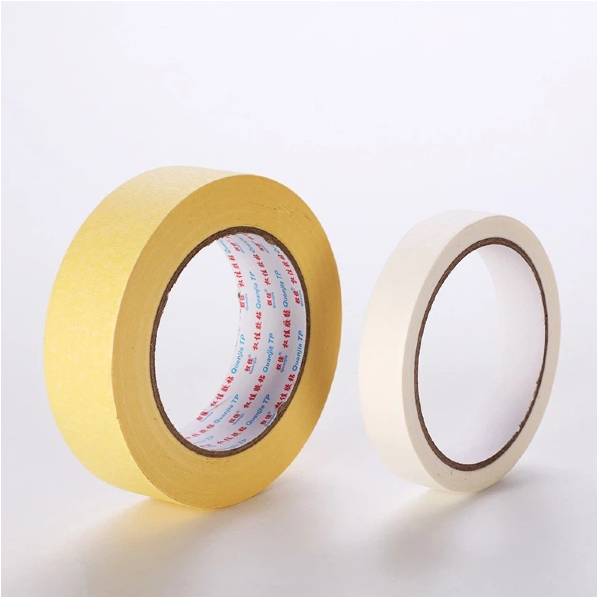
Tape width matters more than many people expect. A narrow width is easier to guide around curves, trim details, smaller repairs, and tighter corners. A wider width offers broader coverage and can be more useful when the goal is to protect a larger nearby surface from paint, dust, or light overspray.
Using the wrong width often creates extra work. Tape that is too narrow may not cover enough area, while tape that is too wide can be harder to guide neatly along a detailed edge. Matching the width to the task makes application easier and helps the final line look more controlled. This is especially important in decorative paint work, window frames, door edges, and small touch-up zones where precision matters.
Most messy results happen during application, not removal. If the tape goes down unevenly, stretches, wrinkles, or leaves gaps, the line will rarely improve once paint reaches it.
Long strips look faster, but they are harder to control. On corners, trim lines, uneven edges, and small repair areas, shorter pieces are usually the better choice. They follow the surface more naturally and are less likely to wrinkle or pull away.
This is especially useful on decorative work where the line will be highly visible. Using smaller sections gives you more control over the direction of the tape and helps it sit more evenly. It may add a little time during setup, but it often saves time on correction later.
A common mistake is pulling the tape too tightly while applying it. Stretched tape may look flat at first, but it can lift back slightly or distort along the edge. That weakens the seal and makes the result less predictable.
A better method is to guide the tape into place, then press it down in a controlled way as you move forward. Focus on keeping the line straight and the edge flat rather than forcing the tape with tension. The goal is control, not pressure. On walls, trim, and simple masking tasks, this small change can noticeably improve line quality.
When applying more than one strip, slight overlap is important. If strips only just touch, tiny gaps may remain between them, and those gaps can let paint seep through or leave the protected area exposed.
A small overlap creates continuity along the masking line and reduces weak points. This is particularly helpful around frames, corners, and places where the tape changes direction. It is a simple step, but it has a direct effect on how clean the final edge looks.
Once the tape is in place, press the working edge down firmly with a finger or a flat tool. This is the edge that faces the paint or the area being protected. If that edge is not sealed well, the chance of seepage rises.
Sealing does not mean using excessive force. It means checking that the tape sits flush where it matters most. On paint jobs, this helps create a sharper boundary. On temporary masking for dust or light protection, it helps keep the nearby surface cleaner. Many messy results happen because this final check is skipped.
Mistake | What usually happens | Better method |
Applying tape on a dusty surface | Edge lifting and weak adhesion | Wipe the area and let it dry first |
Using one long strip on corners | Wrinkles and poor control | Use shorter sections |
Stretching the tape during application | Lifting or distorted lines | Press it down gradually without pulling hard |
Leaving tiny gaps between strips | Paint seepage or uneven protection | Overlap sections slightly |
Skipping edge sealing | Messy paint lines | Press down the working edge before painting |
Removing too quickly | Jagged lines or surface disturbance | Pull slowly at an angle |
Even well-applied tape can give poor results if the work around it is careless. Paint direction, tool pressure, and buildup near the edge all affect the outcome.
When brushing or coating near the masking line, it helps to move away from the tape edge rather than forcing material into it. Heavy brush pressure toward the tape can push paint underneath, especially if the surface has texture or the edge seal is not perfect.
A lighter, more controlled motion reduces that risk. On walls and trim, this often means finishing the stroke away from the tape line. On simple craft or coating work, it means avoiding unnecessary buildup at the boundary. The tape helps define the area, but technique still matters during the job.
Removal is where many users lose a result that looked good moments earlier. Timing and technique make a big difference.
If tape is removed too late, the edge may tear unevenly or disturb the finish. If it is removed too early, the work may still be too soft and easier to mark. The right stage depends on the coating and the project, but in general, removal should be done with attention rather than delay.
What matters most is avoiding the habit of leaving tape in place far longer than necessary. For standard paint work, timely removal usually supports a cleaner edge and an easier finish. This is one of the most practical answers to how to use masking tape without creating extra cleanup.
Fast removal feels efficient, but it often increases the chance of rough edges, residue, or surface disturbance. A slow pull at an angle is usually the better method. It gives you more control and puts less stress on the painted edge.
This technique is useful on walls, trim, glass, and other finish-sensitive areas. It also helps you spot problems early. If a section starts resisting more than expected, you can slow down and adjust before turning a small issue into a visible flaw.
Neater results often come from a few simple habits rather than one major trick. These habits do not add much time, but they reduce rework.
Not all painted surfaces, coatings, and materials behave the same way. If the surface is delicate, old, recently repaired, or unfamiliar, testing a small area first is a smart move. It helps you see how the tape holds and how it releases before the main work begins.
This is especially useful for touch-up jobs, decorative paint areas, finished furniture parts, and mixed-material projects. A short test can prevent a much larger correction later.
Old tape that has been stored badly may not apply or remove as well as expected. The adhesive can become less stable, and the backing may not handle as cleanly. When users try to force an aging roll through a finish-sensitive task, the result is often inconsistent.
Fresh tape gives better control, cleaner tearing, and more predictable adhesion. For regular painting, labeling, and masking work, consistent product quality makes the process smoother from start to finish. That is why dependable supply matters just as much as technique.
Neat results with Masking Tape come down to four basics: a clean surface, careful application, sealed edges, and patient removal. Quansheng develops tape for real working conditions, helping users complete paint prep, edge protection, and temporary masking with less mess and more control. A reliable crepe paper masking tape product makes the whole process easier to manage, especially when clean handling and easy tearability matter. If you need dependable tape for daily painting and masking work, contact us to learn more about our products and bulk supply options.
Start with a clean, dry surface, apply the tape in controlled sections, seal the edge firmly, and avoid pushing paint heavily toward the tape line. Remove the tape carefully at the right stage for a cleaner finish.
Paint bleed usually happens because the edge is not fully sealed, the surface is dusty, the tape has gaps between sections, or paint is applied too heavily against the tape.
No. Stretching can cause the tape to lift or distort after it is placed. It is better to guide it into position and press it down gradually for a flatter, cleaner line.
Yes. Older tape may tear less cleanly, stick less evenly, or remove less predictably. For finish-sensitive work, fresh masking tape usually gives more reliable performance.


