
Views: 0 Author: Site Editor Publish Time: 2026-04-16 Origin: Site


Choosing the right tape may seem simple at first, but in real production and assembly work, the decision has a direct impact on bonding performance, product appearance, durability, and even manufacturing efficiency. A tape that is too thin may fail to compensate for uneven surfaces, while a tape with the wrong adhesive system may lose tack under heat, moisture, or continuous stress. That is why selecting the correct Foam Double Sided Tape is not only about stickiness. It requires a clear understanding of substrate materials, environmental conditions, load demands, and the function the tape is expected to serve. Whether the tape is being used for mounting, sealing, gap filling, vibration damping, or decorative assembly, the right balance between thickness and adhesion is what determines long-term success.
When people compare tape options, they often focus on adhesion first. While adhesive strength is critical, thickness is equally important because it affects how the tape performs under pressure, how it fills gaps, and how it distributes stress across the bonding area.
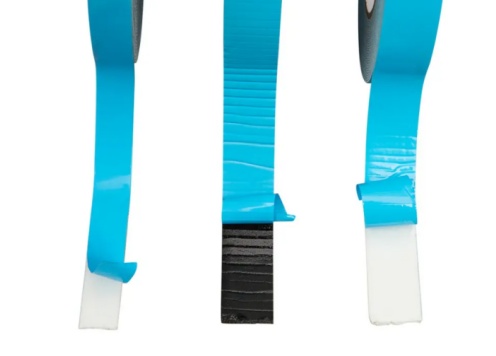
A Foam Double Sided Tape works as both an adhesive layer and a functional cushioning medium. The foam carrier allows the tape to conform to irregular surfaces and absorb movement between bonded parts. This is especially valuable when two substrates expand at different rates or when slight surface variation would prevent a firm bond with ordinary thin tape.
In practical terms, thickness and adhesion should always be evaluated together:
· Thickness influences conformability, cushioning, and gap filling
· Adhesion determines how strongly the tape bonds to each surface
· Foam density and structure affect compression and recovery
· Application environment changes the required performance level
A good selection process considers all four rather than isolating one factor.
Before choosing a tape grade, it helps to define what the tape is expected to do. Not every tape application has the same priority. Some need permanent structural bonding, while others only require temporary positioning or light-duty mounting.
Common application purposes include:
· Mounting trims, signs, or panels
· Bonding plastic, metal, or glass components
· Sealing against dust or moisture
· Reducing vibration and noise
· Filling gaps between uneven surfaces
· Replacing mechanical fasteners in certain assemblies
For example, a light decorative part attached to a smooth indoor panel may need moderate adhesion and limited thickness. In contrast, an outdoor mounting application exposed to heat, rain, and vibration may require a thicker, high bond foam tape with excellent weather resistance.
Thickness is usually one of the first variables buyers compare because it is easy to see and measure. However, the correct thickness is determined by function, not appearance.
Thinner options are often used where appearance matters and the bonding surfaces are relatively flat and well-matched. They can provide a cleaner fit and may be preferred for lightweight components.
Typical advantages:
· Low profile appearance
· Good for smooth, uniform surfaces
· Less compression movement after assembly
Typical limitations:
· Less ability to fill gaps
· Lower cushioning effect
· Less tolerance for irregular surfaces
This is often the most versatile category. It provides a balance between bonding strength, surface adaptation, and compression recovery. Many industrial mounting applications fall into this range.
Thicker tape is usually selected when there is a visible gap, surface variation, or a need for stronger vibration absorption. It can also help compensate for mismatched surfaces or dimensional tolerance issues.
Typical advantages:
· Better gap filling
· Improved stress distribution
· Enhanced shock absorption and sealing performance
Typical limitations:
· May require more compression during application
· Not always ideal for very fine or low-profile assemblies
Adhesion is never determined by the tape alone. The surface energy, cleanliness, texture, and chemical composition of the substrate all influence final performance. The same Foam Double Sided Tape may bond extremely well to powder-coated metal but perform differently on low-surface-energy plastics.
These generally include:
· metal
· glass
· painted surfaces
· certain rigid plastics
These materials are usually easier to bond, especially when clean and dry.
These may include:
· polyethylene
· polypropylene
· some treated or untreated plastics
These are more difficult to bond and often require specially formulated adhesive systems.
Even a strong acrylic foam tape can underperform if the surface has:
· oil or release agents
· dust or moisture
· heavy texture
· loose coating or oxidation
In many applications, surface preparation is as important as tape selection. A good tape cannot fully compensate for poor surface condition.
The table below offers a practical way to understand how thickness and adhesion are commonly matched to application conditions.
Application Condition | Recommended Thickness Direction | Recommended Adhesion Level | Notes |
Smooth indoor decorative bonding | Thin to medium | Medium | Good for clean, flat surfaces |
Uneven surfaces with visible gaps | Medium to thick | Medium to high | Better conformability needed |
Outdoor mounting | Medium | High | Weather resistance is important |
Vibration-prone assemblies | Medium to thick | High | Cushioning and stress absorption matter |
Lightweight signage or trim | Thin to medium | Medium to high | Depends on surface type |
Difficult plastics or coated parts | Medium | High or specialty adhesive | Substrate testing is recommended |
Sealing plus bonding | Thick | Medium to high | Compression and recovery are key |
This type of comparison helps narrow the selection, but final testing should still be based on the actual substrate and assembly process.
Not all foam tapes use the same adhesive chemistry. In many industrial cases, buyers compare rubber-based systems and acrylic-based systems, while some applications need specialized formulations.
Rubber-based systems often provide strong initial tack and fast bonding on some surfaces. They can be useful where quick stick is important. However, long-term resistance to heat, UV exposure, or weathering may be more limited depending on the formulation.
Acrylic foam tape is often chosen for long-term performance. It usually offers strong resistance to aging, temperature change, moisture, and outdoor exposure. For demanding industrial use, acrylic systems are often preferred because they remain more stable over time.
Some applications require enhanced bonding to low-surface-energy plastics, rough substrates, or harsh environments. In those cases, a standard product may not be enough, and a tailored solution becomes more suitable.
For buyers, engineers, and converters, the easiest way to avoid trial-and-error purchasing is to follow a step-by-step selection approach.
List both surfaces clearly, including coating, paint, texture, or any special treatment.
Ask whether the tape is mainly for mounting, sealing, damping, gap filling, or long-term structural support.
Consider part weight, peel force, shear load, impact, and vibration.
Include indoor or outdoor use, temperature range, humidity, UV exposure, and chemical contact.
Select thin, medium, or thick based on flatness, gap size, and cushioning need.
Choose the tack and durability level based on substrate type and service conditions.
Even when the tape looks correct on paper, actual sample testing remains the safest way to confirm performance.
The best tape choice is usually the result of matching the application to the right combination of thickness, adhesive chemistry, foam structure, and environmental resistance. A Foam Double Sided Tape should not be chosen as a generic consumable if the bonded part plays an important functional or visual role. The more demanding the assembly, the more important it becomes to evaluate thickness as a performance feature rather than a simple size preference. In many cases, buyers get better outcomes when they compare the substrate, service environment, and installation method together instead of looking for a one-size-fits-all product.
From our perspective, the most practical approach is to work with a supplier that can discuss actual bonding conditions rather than simply offering a standard catalog recommendation. In our experience, the right conversation often starts with questions about materials, gap size, temperature, and durability expectations, not just price. For companies that want to evaluate options more carefully or compare tape structures for a specific project, it is worthwhile to learn more from Zhejiang Quansheng New Material Technology Co., Ltd.
Medium to thick foam tape is usually better for uneven surfaces because it can fill gaps, improve surface contact, and distribute stress more evenly across the bond area.
It depends on the application. Acrylic foam tape is often preferred for long-term durability, weather resistance, and temperature stability, while rubber-based tape may offer faster initial tack in some indoor uses.
Yes, but the tape must be selected for outdoor conditions. UV resistance, moisture resistance, and temperature performance should all be reviewed before use.
Failure can result from poor surface preparation, wrong thickness, incorrect adhesive choice, insufficient application pressure, or exposure conditions that exceed the tape’s design limits.


