
Views: 0 Author: Site Editor Publish Time: 2026-03-23 Origin: Site


PVC wire harness tape plays a critical role in protecting and organizing wires in many electrical applications. It is widely used in automotive, industrial, and electronics sectors to bundle wires, provide insulation, and prevent wear or damage. However, there are times when removing this tape is necessary, such as during repairs, upgrades, or reorganization of a wire harness. It is crucial to remove the tape without damaging the wires or their insulation. In this article, we will explore safe and effective methods to remove PVC wire harness tape, ensuring the integrity of your wire harness remains intact.
PVC wire harness tape is a specialized adhesive tape used to bundle and organize wires. It is made from polyvinyl chloride (PVC), a durable, flexible, and insulating material that is ideal for use in wire harnessing. This tape is designed to provide protection against wear, abrasion, and environmental factors such as moisture and chemicals.
Durability: PVC tape is known for its strength and resistance to tearing, making it ideal for securing wire bundles in various applications.
Electrical Insulation: PVC wire harness tape provides a layer of insulation, preventing short circuits or electrical interference between wires.
Flexibility: The flexibility of PVC tape makes it easy to wrap around wires of different sizes and shapes.
Weather Resistance: PVC is resistant to moisture, UV light, and extreme temperatures, making it a reliable option for both indoor and outdoor applications.
Automotive: PVC wire harness tape is used extensively in the automotive industry to bundle and protect wires in engine compartments and electrical systems.
Electronics: Used in wiring assemblies for devices, circuit boards, and components that require both protection and organization.
Industrial: PVC tape is used in industrial machinery and equipment where wiring needs to be secured and insulated.
The process of removing PVC wire harness tape requires care and attention to avoid causing damage to the wires. If the tape is removed too hastily, it can result in several potential issues:
PVC wire harness tape is applied over the insulation of wires to provide protection. If the tape is removed too quickly or improperly, it can tear or strip the wire insulation, exposing the wires to the elements or creating short-circuit risks.
Pulling the tape too forcefully can put unnecessary strain on the wires, causing them to break or fray. This can lead to the need for costly repairs or replacements of the wire harness.
If the adhesive from the PVC tape is not properly removed, it can leave sticky residue that may attract dirt, dust, or other contaminants. This residue can interfere with the functionality of the wire harness and even cause electrical issues.
For these reasons, it is important to remove PVC wire harness tape carefully, using appropriate methods that ensure the wires remain intact and functional.
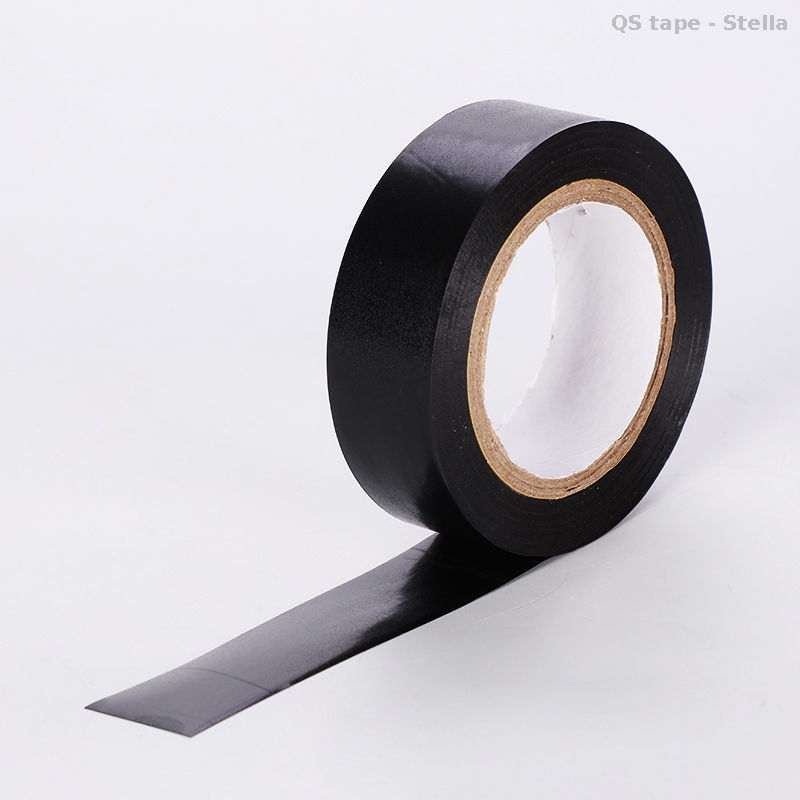
There are several methods for removing PVC wire harness tape without causing damage to the wires. Below are some safe and effective techniques:
One of the best ways to remove PVC wire harness tape is by applying gentle heat. The adhesive used in PVC tape softens when exposed to heat, making it easier to peel off without damaging the wires underneath.
Prepare the Heat Source: Use a heat gun or a hairdryer for controlled heat application. A heat gun should be set on a low setting to avoid overheating the wires.
Apply Heat to the Tape: Hold the heat source about 2-3 inches away from the PVC tape. Move the heat gun or hairdryer along the tape, warming it evenly. Make sure not to overheat the wire harness or tape.
Peel Off the Tape: Once the tape feels softer and more flexible, begin to peel it off gently. The adhesive should come off easily, and you can use a plastic scraper or your hands to remove it. Avoid pulling the tape too quickly to prevent damaging the wire.
Benefits:
This method reduces the risk of tearing or damaging the wire insulation.
It is effective for removing long sections of tape.
Another effective method for removing PVC wire harness tape is to use a solvent that breaks down the adhesive without harming the wires or their insulation.
Choose the Right Solvent: Use a solvent that is safe for use with PVC tape and will not damage the wire harness. Isopropyl alcohol (rubbing alcohol) or adhesive remover products are good options.
Apply the Solvent: Dampen a cloth or cotton swab with the solvent. Gently rub the solvent on the adhesive residue, allowing it to break down the sticky residue.
Peel Off the Tape: Once the adhesive is softened, slowly peel off the tape. You can use a scraper or your fingers to remove any remaining tape.
Benefits:
Solvents are effective for removing adhesive residue.
This method is suitable for delicate wires or hard-to-reach areas.
For some applications, manual peeling is the best method. If the tape is applied loosely or is not too tightly adhered, you can manually peel it off without applying heat or solvents.
Grip the Tape: Start by lifting one edge of the tape with your fingers or a plastic scraper.
Peel Slowly: Slowly pull the tape off, keeping it at a low angle to the wire harness to avoid stressing the wires underneath.
Check for Adhesive Residue: As you peel, check for any adhesive left behind. If there is, you may need to apply a solvent or use a plastic scraper to remove it.
Benefits:
Quick and easy if the tape is applied loosely.
Minimal risk of damage if done carefully.
If the tape is tightly adhered or difficult to peel, cutting the tape with a precision tool might be the best option. This method involves using a sharp tool to cut the tape along its length.
Use Precision Scissors or a Utility Knife: Carefully cut along the tape using precision scissors or a utility knife. Ensure the cutting tool does not make contact with the wires themselves.
Remove the Tape: After cutting the tape, carefully peel it away from the wire harness.
Benefits:
This method ensures you don’t accidentally damage the wires or insulation.
Ideal for situations where the tape is tightly adhered and difficult to remove.
Regardless of the method used, it’s important to follow best practices to ensure that the PVC wire harness tape is removed safely and without damaging the wires.
Rushing through the removal process can cause damage to the wire harness. Always work slowly and methodically to avoid unnecessary stress on the wires.
After removing the tape, check the wires for any adhesive residue left behind. If there is residue, use a solvent like isopropyl alcohol or adhesive remover to clean the area.
Before reapplying tape or proceeding with other tasks, carefully inspect the wires to ensure no damage has been caused. Look for any frayed or broken insulation and replace damaged wires if necessary.
Yes, using a heat gun is an effective method for removing PVC wire harness tape. However, you should use the heat gun on a low setting and maintain a safe distance from the wire to avoid overheating or damaging the components.
Yes, rubbing alcohol is effective for dissolving the adhesive used in PVC wire harness tape. Apply it carefully with a cloth or cotton swab to break down the adhesive without damaging the wire insulation.
If PVC tape is removed too quickly, it can tear the wire insulation, pull on the wires, or damage connectors. Always ensure you remove the tape slowly and carefully to avoid these risks.
To remove adhesive residue, use a solvent like isopropyl alcohol or a dedicated adhesive remover. Apply the solvent gently and wipe away any leftover sticky residue, ensuring that no moisture comes into contact with the wires themselves.
Removing PVC wire harness tape requires careful attention to detail and the use of appropriate methods. Whether you opt for heat, solvents, manual peeling, or cutting, it is essential to follow the correct procedures to ensure that the integrity of the wire harness is maintained. Rushing through the process or using improper techniques can result in damage to the wires, insulation, or connectors, potentially leading to costly repairs.
By working slowly and methodically, using the right tools, and inspecting the wires after removal, you can minimize the risk of damage and preserve the functionality of your electrical system. Taking the time to ensure proper tape removal not only helps protect your components but also ensures that your wire harness will continue to perform efficiently and safely in the future. With the right approach, you can avoid unnecessary repairs, reduce downtime, and maintain the reliability of your electrical systems.
Contact us for more information!


