
Views: 0 Author: Site Editor Publish Time: 2025-12-16 Origin: Site


Wire harness tape plays a crucial role in keeping electrical wiring secure and well-organized. Whether used in automotive, industrial, or aerospace applications, the right tape can extend the life of wiring systems, prevent damage, and enhance efficiency.
In this article, you will learn about the different types of wire harness tape, its benefits, and how to choose the best tape for your project needs.
Wire harness tape is used to bundle and organize multiple wires, providing insulation, protection, and a neat appearance. It is crucial for ensuring that cables are secured properly and protected from environmental elements.
Bundling Wires: Keeps multiple wires together in a neat and manageable bundle.
Protection: Guards wires against abrasion, moisture, and extreme temperatures.
Insulation: Provides additional electrical insulation to prevent short circuits.
Unlike traditional zip ties, wire harness tape offers a more secure and uniform bundling solution. It prevents wires from moving around, which helps reduce the risk of damage due to vibration or friction. Wire harness tape also provides a sleeker, more professional look compared to the bulky appearance of zip ties or electrical tape.
Many people confuse wire harness tape with electrical tape, assuming they serve the same purpose. While both provide insulation, wire harness tape is designed for bundling and protecting multiple wires together, not just insulating individual connections.
PVC wire harness tape is durable, moisture-resistant, and ideal for general-purpose wiring tasks. It offers reliable insulation and protection, making it suitable for a wide range of industrial and automotive applications. This tape is commonly used for bundling and protecting wires in environments where moderate temperature resistance and moisture protection are needed.
Key Features:
● Moisture-resistant
● Durable and flexible
● Good for general-purpose wiring
● Reliable insulation properties
Common Applications:
Automotive wiring
Industrial equipment wiring
Home appliances
Cloth and fabric wire harness tapes are designed to be both flexible and strong, making them ideal for automotive and industrial applications. These tapes are especially useful in environments where wires are exposed to vibrations or movement, as they provide extra grip and enhanced protection. The fabric construction of these tapes allows for better flexibility, which helps prevent the tape from cracking under stress.
Key Features:
● Flexible and strong
● High resistance to vibrations
● Provides grip and added protection
● Ideal for high-movement environments
Common Applications:
Automotive wiring, especially in high-vibration areas like engine compartments
Industrial machinery
Cable bundling in environments with frequent movement
In environments that are exposed to high temperatures, such as automotive or aerospace applications, heat-resistant and flame-retardant wire harness tapes play a crucial role in protecting wires. These tapes are specially designed to withstand extreme temperatures, with some options capable of handling up to 500°F (260°C). They are essential in high-heat settings where regular tapes may fail or degrade over time.
Key Features:
● Flame-retardant
● Heat-resistant up to 500°F (260°C)
● Protects against high temperatures and flames
● Ideal for harsh environments
Common Applications:
Automotive wiring, especially in engine compartments
Aerospace applications where high heat is present
Industrial applications with high-temperature exposure
Selecting the correct wire harness tape is critical to ensuring the longevity and reliability of your wiring systems. Here are some key considerations when choosing the right type of tape for your specific needs:
Application | Recommended Tape | Key Considerations |
General bundling and protection | PVC Wire Harness Tape | Cost-effective, moisture-resistant, general-purpose |
Automotive and high-vibration | Cloth and Fabric Wire Harness Tape | Flexible, strong, ideal for high-vibration areas |
High-temperature environments | Heat-Resistant and Flame-Retardant Tape | Can withstand high temperatures up to 500°F |
By understanding the key features and applications of each type of wire harness tape, you can make an informed decision to ensure your wiring systems remain secure and functional in various environments. Always choose the tape that best suits the specific demands of your project, whether it’s for general use, high-vibration areas, or extreme temperature settings.
1. Preparation: Clean the wires and ensure they are dry before starting.
2. Technique: Start from one end and wrap the tape evenly around the wires, overlapping each layer by about 50%.
3. Pressure: Apply slight pressure to ensure a firm grip without stretching the tape too tight.
To achieve a clean and professional result, wrap the tape in overlapping layers, ensuring that each layer is applied smoothly. Avoid pulling the tape too tightly, as this may cause it to lose its adhesive properties.
Using a tape dispenser can help speed up the process and ensure consistent application. For larger projects, automated machines can provide a more efficient and precise solution.
If the tape isn’t sticking properly, check that the wires are clean and dry. For wrinkles or tape slippage, ensure that you’re applying the tape with consistent tension and overlapping layers.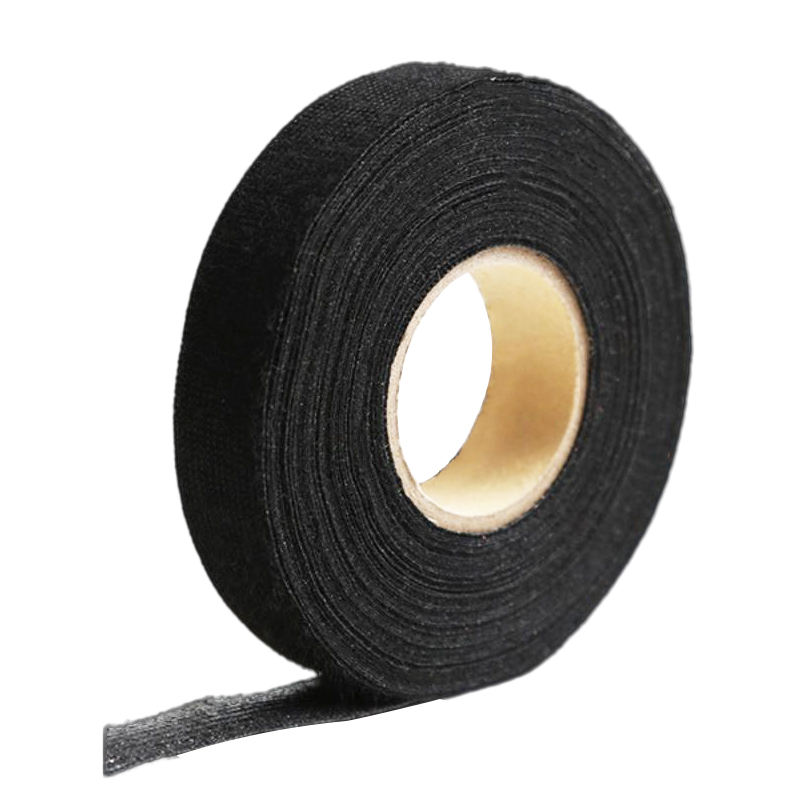
Choose wire harness tape based on its adhesive strength and the temperature range of your application. For instance, tapes with acrylic adhesives are better suited for high-temperature environments due to their superior bonding and heat resistance.
Consider the environment your wiring will be exposed to. If you’re working in an area with high vibration or exposure to chemicals, opt for tapes that offer abrasion resistance and moisture protection.
With increasing focus on sustainability, eco-friendly wire harness tapes made from recycled materials are a great option. Look for tapes with certifications for sustainable manufacturing processes.
Perform a peel test before final installation to assess the tape’s adhesion and ensure it will hold up under your project’s conditions.
In the automotive sector, wire harness tape ensures that wiring remains intact even in the harshest environments, such as engine compartments that experience extreme temperatures and vibrations.
Wire harness tape plays a crucial role in manufacturing, where it helps organize and protect complex wiring systems in machines and industrial equipment.
Aerospace applications require specialized wire harness tape that can withstand extreme environmental conditions, such as high altitudes and temperature variations.
In the automotive industry, wire harness tape helps ensure the reliability of wiring systems in electric vehicles, while in aerospace, it contributes to the durability and safety of wiring in high-performance environments.
The price of wire harness tape can fluctuate depending on several factors, such as the material, adhesive strength, and special features like heat resistance. For example, tapes designed for extreme temperatures or specific industrial needs may come at a premium, but they provide longer-lasting performance. Understanding these factors allows you to select the best option for your project while staying within budget.
Factor | Effect on Price | Examples |
Material | High-quality materials can increase cost | PVC, cloth, polyester, heat-resistant tapes |
Adhesive Strength | Stronger adhesives generally cost more | Rubber-based vs. acrylic adhesives |
Special Features (e.g., heat resistance) | Additional features raise price | Heat-resistant, flame-retardant, chemical-resistant tapes |
For large projects, purchasing wire harness tape in bulk can help lower costs. Custom solutions tailored to your project’s needs may also offer long-term value and reliability.
Investing in high-quality wire harness tape may seem expensive initially, but it saves on long-term maintenance and repair costs by reducing the risk of tape failure and ensuring that the wiring remains protected for years.
Wire harness tape offers long-term cost savings compared to alternatives like zip ties or cable clamps, particularly in applications requiring high durability and performance.
Check for signs such as peeling, discoloration, or loss of adhesion. These are indications that the tape may no longer be providing the necessary protection and needs replacement.
To remove old wire harness tape, carefully cut it with a blade to avoid damaging the wires. After removal, clean the wires and apply fresh tape to ensure continued protection.
To extend the life of your tape, avoid exposing it to excessive stress or environmental conditions beyond its rating. Regular inspections will help detect wear early, preventing future issues.
Ensure proper application and avoid applying tape too tightly. Selecting the right tape for your specific application and regularly maintaining it will help prevent failures in wire harness installations.
Wire harness tape is essential for securing and protecting wiring systems in various industries. Understanding the different types, applications, and performance characteristics allows you to make an informed choice, ensuring both security and longevity. By selecting the right tape, applying it correctly, and maintaining it regularly, you can ensure long-lasting results.
Zhejiang Quansheng New Material Technology Co., Ltd. offers high-quality wire harness tape that provides exceptional durability and reliability. Their products help extend the life of wiring systems and reduce maintenance costs, offering value for any project.
A: Wire harness tape is used to bundle and protect wiring, providing insulation and organization.
A: Follow a step-by-step guide, ensuring proper tension and overlap to create a secure, tidy bundle.
A: Wire harness tape provides a stronger, more durable hold compared to zip ties, ensuring long-term reliability.
A: Consider adhesive strength, temperature resistance, and the environment where the tape will be used.
A: Wire harness tape is designed for bundling and protection, while electrical tape primarily provides insulation.
A: While wire harness tape may cost more upfront, its durability reduces maintenance costs in the long run.
A: Signs of wear, peeling, or loss of adhesion indicate it’s time to replace your wire harness tape.


