
Views: 0 Author: Site Editor Publish Time: 2025-12-09 Origin: Site


Cable management is crucial in industries like automotive, aerospace, and electronics. Properly organized wiring systems ensure safety and performance.
Wire harness tape offers an easy solution to secure and protect cables.
In this article, we will explore the benefits of wire harness tape, how it improves cable organization, and how to choose and apply it effectively.
Wire harness tape is a specialized adhesive tape used to bundle, protect, and insulate electrical wires, ensuring they remain organized and functional. Unlike standard electrical tape, which is designed primarily for electrical insulation, wire harness tape is engineered to withstand extreme conditions like high temperatures, moisture, and abrasion while maintaining its performance over time.
Wire harness tape serves to organize and safeguard electrical wires, preventing tangling, wear, and external damage. It plays a crucial role in cable management systems, where neatness, durability, and protection are essential, particularly in industries like automotive, aerospace, and electronics.
● Durability: Engineered for long-lasting performance, even in harsh environments.
● Protection: Shields cables from physical damage, chemical exposure, and moisture.
● Organization: Keeps cables neatly bundled and arranged for easy maintenance and troubleshooting.
Wire harness tapes come in different materials, each designed for specific applications. These materials are chosen for their unique properties, such as heat resistance, flexibility, and chemical resistance.
Material | Key Properties | Best Used For |
PVC | Chemical and abrasion resistance | Industrial environments, general cable bundling |
Cloth | Flexibility and durability | Automotive wiring, high-flexibility needs |
Polyimide | Exceptional heat resistance | Aerospace, high-performance applications |
PVC wire harness tape is commonly used in industrial applications due to its resistance to chemicals, abrasion, and weathering. It is perfect for environments where durability and protection are critical.
Cloth tape is highly flexible and durable, making it ideal for automotive wiring, especially in areas with high movement or vibration. It provides both protection and noise reduction.
Polyimide is known for its high-temperature resistance, making it ideal for aerospace applications or industries requiring high-performance insulation under extreme heat.
Wire harness tape serves several essential functions:
● Protection: Shields wires from physical damage, moisture, and chemical exposure.
● Noise Reduction: Some tapes are designed to dampen sound, reducing wire rattling in automotive interiors.
● Aesthetics: Helps maintain an organized and professional appearance in cable assemblies.
By securely bundling cables together, wire harness tape prevents tangling, which is crucial for reducing future maintenance costs. Well-organized cables are also less likely to suffer from wear and tear.
In industries where appearance matters, wire harness tape helps maintain clean, neat layouts. This is particularly important in automotive and aerospace applications, where visual organization is essential for efficiency and safety.
A properly organized cable harness makes it easier to identify and repair cables, minimizing downtime and simplifying troubleshooting processes. This is especially beneficial in large-scale projects where quick identification is crucial for avoiding costly delays.
Wire harness tape offers robust protection against environmental factors such as heat, cold, and chemical exposure. This ensures the longevity of wiring systems, making them more reliable and reducing the need for frequent repairs.
By organizing cables effectively, wire harness tape simplifies the installation process. It reduces the complexity of cable management, allowing projects to be completed faster and more efficiently.
Wire harness tape is a cost-effective alternative to more complex cable management systems. It offers substantial savings in both installation and long-term maintenance costs, making it an ideal choice for budget-conscious projects.
Proper cable management with wire harness tape helps ensure compliance with industry safety standards. It minimizes risks such as short circuits and overheating, providing a safer environment for both equipment and personnel.
Selecting the right material for wire harness tape depends on environmental conditions and specific requirements. For example, silicone-based tapes are ideal for high-heat environments, while PVC is better suited for chemical exposure.
Different applications require different types of wire harness tapes:
Automotive: Cloth and flexible tapes are preferred for their durability and noise-dampening properties.
Aerospace: Polyimide or high-temperature tapes provide the required heat resistance for critical systems.
Industrial: PVC and rubber-based tapes are ideal for environments where moisture and abrasion are concerns.
When selecting wire harness tape, consider:
Temperature Resistance: Ensure the tape can withstand extreme temperatures in specific environments.
Moisture Resistance: Choose tapes that protect cables from water exposure, particularly for outdoor or underground installations.
Flexibility: Opt for flexible tapes that can conform to complex cable assemblies.
Before applying wire harness tape, clean the cables and surrounding areas to remove any dust, grease, or moisture. This ensures better adhesion and extends the tape’s effectiveness.
When wrapping, maintain slight tension to ensure the tape adheres securely to the cables. Overlap each layer to distribute stress evenly and provide better protection.
To ensure a clean and secure application, avoid wrinkles, air bubbles, or uneven layers. A well-applied tape enhances cable longevity and protects it from external factors.
Use tape dispensers or pre-cut lengths to make the application process more efficient. These tools help save time and ensure consistent wrapping.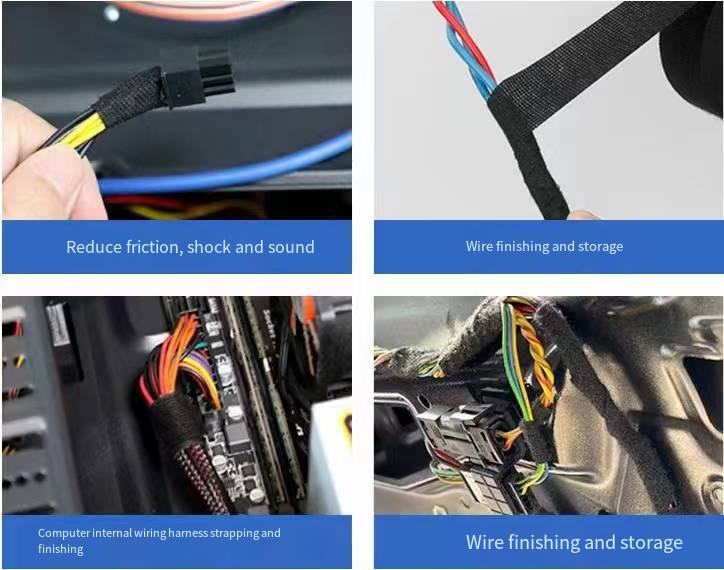
Wire harness tape is essential for organizing and protecting cables, but to ensure its long-term effectiveness, proper maintenance and care are necessary. Regular inspections, proper storage, and an understanding of environmental factors can extend the life of both the tape and the cables it protects.
Regular inspections are crucial for maintaining the integrity of cable management systems. Checking for signs of wear, such as fraying, discoloration, or peeling, can help identify potential issues early. Timely maintenance can prevent further damage and ensure that the wiring system performs effectively over time.
● Fraying or peeling: Look for any signs that the tape has started to wear out or lose its adhesive properties.
● Discoloration: Changes in color could indicate exposure to harsh conditions, such as high temperatures or chemicals.
● Adhesion: Ensure the tape is still securely bonded to the cables and has not loosened.
The longevity of wire harness tape is significantly influenced by the environment in which it is used. Exposure to extreme temperatures, chemicals, or moisture can degrade the tape over time.
Store in a dry, clean environment: Keeping the tape in a controlled environment prevents degradation caused by moisture and environmental contaminants.
Avoid extreme heat or cold: Prolonged exposure to high or low temperatures can reduce the tape's effectiveness and cause it to lose its adhesive properties.
Environmental Factor | Impact on Tape | Maintenance Tip |
Extreme Heat | Can weaken the tape’s adhesive and cause it to lose flexibility. | Use heat-resistant tapes, such as silicone-based options. |
Chemical Exposure | Chemical exposure can cause tape to break down and lose its protective qualities. | Choose tapes with chemical resistance for high-risk environments. |
Moisture | Moisture can cause the tape to lose adhesion and lead to corrosion. | Store cables in dry, well-ventilated areas. |
To extend the life of wire harness tape, proper handling, and storage are key. Ensuring that the tape is stored correctly and that the cables it protects are not subject to unnecessary stress can help maintain their effectiveness for years.
● Proper storage: Store tape in cool, dry places to avoid degradation.
● Handling with care: Avoid rough handling that could tear or stretch the tape unnecessarily.
● Avoid over-tightening: When wrapping cables, maintain slight tension to avoid damaging the wires or tape.
While wire harness tape is commonly used in automotive and industrial settings, its applications are expanding into more advanced fields. In robotics, IoT, and electronics, wire harness tape plays a crucial role in organizing compact wiring systems, where space-saving solutions are vital. It also aids in reducing noise in sensitive environments, such as automotive interiors, by dampening vibrations.
Robotics and IoT: Used for bundling and protecting small, intricate wiring systems.
Noise-sensitive applications: Helps reduce vibrations and wire rattling in automotive and machinery systems.
As industries increasingly demand tailored solutions, wire harness tape is now being used for branding purposes. Companies are leveraging custom-printed or color-coded tapes for easy identification, enhancing both functionality and aesthetic appeal in their cable management systems.
Color-coded tape: Simplifies wire identification, especially in complex systems.
Custom branding: Enhances brand visibility and provides a professional look in consumer-facing applications, like automotive or electronics.
The evolution of wire harness tape is driven by the demand for higher performance and more durable materials. Innovations in tape materials and adhesives are making wire harness tape more effective and versatile than ever before. Newer formulations will offer even greater heat resistance, moisture protection, and chemical durability, responding to the increasing complexities of modern cable management.
Advanced materials: Future tapes may incorporate smarter materials that react to environmental changes.
Stronger adhesives: The development of adhesives that maintain performance in extreme conditions will enhance the tape’s longevity.
Wire harness tape plays a pivotal role in improving cable organization across various industries. It enhances safety, reliability, and durability while also streamlining installation and reducing maintenance costs. As industries continue to evolve, embracing high-quality wire harness tapes remains essential for efficient cable management. Zhejiang Quansheng New Material Technology Co., Ltd. offers top-quality wire harness tapes that provide superior protection, ensuring long-term performance and value for various applications.
A: Wire harness tape is designed to bundle, protect, and organize cables, preventing tangling and damage. It improves cable organization by providing secure, long-lasting protection in various environments.
A: Wire harness tape keeps cables bundled together, preventing them from tangling or getting damaged. It also makes maintenance easier by allowing for quick identification and repair.
A: Wire harness tape enhances safety, reduces maintenance costs, and ensures durability by offering protection against abrasion, moisture, and heat. It’s essential for organized and efficient cable management.
A: The right wire harness tape depends on factors like material type, temperature resistance, and environmental conditions. PVC and cloth tapes are great for different needs and applications.


