


Polyimide tape is a high-performance adhesive material, renowned for its ability to withstand extreme conditions. Whether in aerospace, automotive, or electronics, this versatile tape plays a critical role in high-temperature processes and environments where other tapes fail.
In this article, you will learn about what polyimide tape is, its unique properties, and the key industries that rely on it. We will also explore its various uses and the benefits it offers.
Polyimide tape is critical in applications where heat resistance, electrical insulation, and durability are paramount. In aerospace, electronics, and automotive industries, it ensures the safety and reliability of components exposed to high temperatures, electrical currents, and chemicals. With its versatility and superior performance, polyimide tape has become a go-to solution for various manufacturing processes.
Polyimide tape is primarily composed of two components: a polyimide polymer film and a silicone adhesive.
The core of polyimide tape is the polyimide film, a high-performance material known for its thermal stability and mechanical strength. This film provides the tape with the ability to resist extreme temperatures, up to 260°C (500°F) continuously, and even higher for short durations. Its strength allows it to remain flexible and durable, even under extreme conditions.
Coated on the polyimide film is a silicone adhesive, which ensures strong bonding, especially at elevated temperatures. Silicone adhesives are particularly useful in applications where high heat resistance is required. These adhesives maintain their adhesion properties without breaking down, even under prolonged exposure to extreme heat.
One of the most important properties of polyimide tape is its heat resistance. It can withstand continuous temperatures up to 260°C (500°F) and can handle intermittent exposures to temperatures as high as 400°C (750°F). This makes it ideal for applications in industries where heat exposure is a constant factor.
Polyimide tape also excels in electrical insulation. It provides high dielectric strength, preventing electrical shorts and providing safe insulation in electronic devices and components. This property is essential for electronics manufacturing, where delicate circuits require protection from electrical discharge.
Polyimide tape's mechanical durability allows it to withstand abrasions, tears, and chemical exposure, making it a reliable solution in tough industrial environments. It can also endure mechanical stress, ensuring that it remains intact during high-pressure processes like wave soldering and industrial manufacturing.
The combination of polyimide tape's heat resistance, electrical insulation, and mechanical strength makes it indispensable across a wide range of industries.
Industry | Application |
Electronics | Used for PCB masking, wave soldering, and electrical insulation in motors and transformers. |
Automotive | Insulates wire harnesses, protects sensors, and provides high-temperature masking during manufacturing. |
Aerospace | Insulates wiring systems and protects components in spacecraft and aircraft, enduring extreme temperatures. |
Industrial Manufacturing | Acts as a masking tape in powder coating and other finishing processes, offering resistance to chemicals and high temperatures. |
Polyimide tape is critical in electronics, especially for masking areas during wave soldering and PCB masking. Its ability to withstand extreme temperatures ensures delicate components are protected during the soldering process, preventing damage and improving the reliability of the final product.
In the automotive sector, polyimide tape is used to insulate wire harnesses in engine compartments and protect sensitive sensors. Its high-temperature resistance ensures the components perform reliably even under harsh conditions like high engine heat and vibration.
Polyimide tape is indispensable in aerospace applications where reliability and performance under extreme conditions are critical. It is used to protect components exposed to high heat, such as insulating wire harnesses and sensors in both aircraft and spacecraft. Its low outgassing properties are particularly valuable in space applications.
Polyimide tape’s chemical resistance and high-temperature tolerance make it ideal for industrial masking. During processes like powder coating or electroplating, it ensures precise masking of components while resisting chemical degradation. It is also used to insulate motors, coils, and other high-voltage components in industrial machinery.
Kapton® is the trademarked name for polyimide tape produced by DuPont, known for its heat resistance and reliability in demanding applications. While all Kapton tape is a type of polyimide tape, not all polyimide tape is Kapton tape. Many manufacturers produce polyimide tapes with similar properties under different brand names.
Although Kapton tape is renowned for its high quality, there are other manufacturers that provide polyimide tapes with similar properties but at potentially lower costs. It’s essential to compare specifications such as adhesive type, temperature tolerance, and thickness when choosing the right polyimide tape for specific applications.
Polyimide tapes come with various adhesive types, primarily silicone and acrylic. Silicone adhesives are ideal for high-temperature applications, while acrylic adhesives provide cleaner removability and are used in moderate temperature environments.
Polyimide tape is available in different colors, such as amber, black, and even custom colors. The color often correlates with specific functionalities, such as light blocking or ease of identification, and can be selected based on application requirements.
Some polyimide tapes are enhanced with additional features like electrostatic dissipation (ESD) properties or flame retardance. These specialized tapes are essential in industries like electronics manufacturing, where static electricity or fire resistance is critical.
Industry/Application | Usage |
Electronics Manufacturing | Polyimide tape is used for masking areas during wave soldering and PCB masking, protecting components during high-temperature processes. |
Aerospace and Automotive | It is used for insulating wire harnesses, protecting sensors, and masking during high-temperature coating processes. |
3D Printing | Polyimide tape, especially Kapton tape, is used as a build surface for 3D printing, offering excellent adhesion for high-temperature filaments like ABS. |
Medical Devices and Industrial Manufacturing | Polyimide tape is used in medical applications, such as sterilization (autoclaving), and in industrial settings for electrical insulation in motors and transformers. |
This table helps organize the information clearly while providing readers with a concise view of polyimide tape's various applications.
Polyimide tape offers continuous performance at temperatures up to 260°C and can withstand brief exposures to temperatures as high as 400°C, making it essential in high-temperature applications.
Polyimide tape’s high dielectric strength prevents electrical shorts, while its chemical resistance makes it suitable for use in environments exposed to solvents and oils.
This tape resists mechanical stress, tears, and abrasions, making it ideal for industrial applications where durability and long-lasting performance are required.
Polyimide tape is designed to be removed cleanly without leaving residue, which is crucial in applications where surface cleanliness is a priority, such as in electronics and aerospace industries.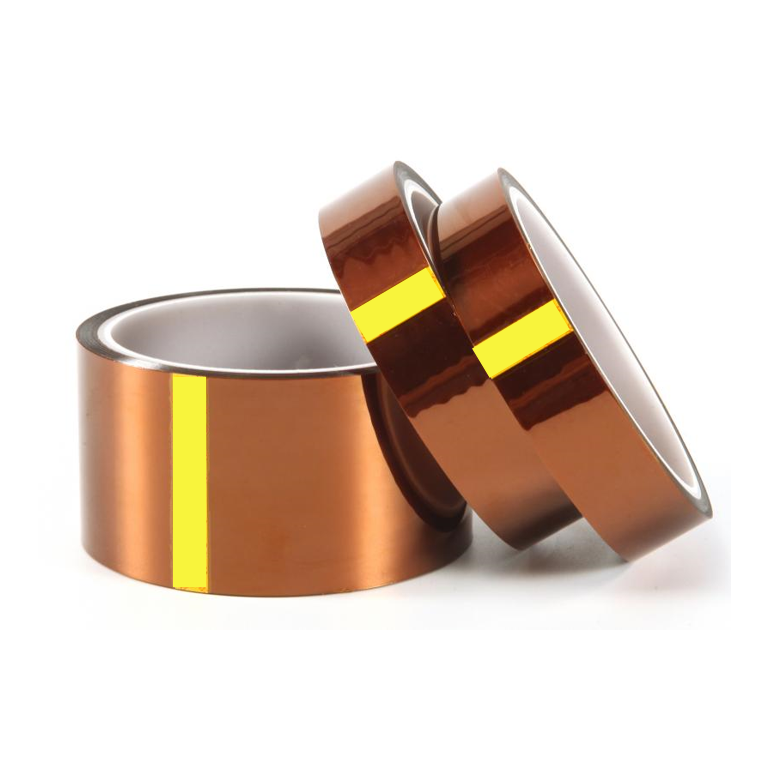
To ensure optimal adhesion and performance, it’s essential that the surface to which the polyimide tape will be applied is clean, dry, and free of contaminants like oil, dust, or moisture. These particles can interfere with the adhesive’s effectiveness and reduce the tape’s overall performance. Cleaning can be done using isopropyl alcohol (IPA) or another suitable solvent, followed by allowing the surface to dry completely before application.
When applying polyimide tape, especially in masking or insulation applications, it’s important to smooth the tape down firmly to avoid wrinkles and bubbles. Ensure that the tape is applied with even pressure, especially for larger areas, to achieve maximum adhesion. Edge sealing is critical, particularly when masking for processes like wave soldering or powder coating. Firmly press the edges of the tape to create a secure seal, which prevents substances from seeping underneath and ensures clean, precise results.
After completing the intended process, such as soldering or coating, allow the components to cool before removing the polyimide tape. Peel the tape slowly at an angle of approximately 135-180 degrees to minimize any adhesive residue. If residue does occur, it can often be removed with appropriate solvents like IPA or acetone. Handling the tape carefully during removal is crucial to avoid damaging the substrate or leaving unwanted residue behind.
When purchasing polyimide tape, consider factors such as adhesive type, temperature rating, and film thickness. Always check the manufacturer’s specifications to ensure the tape meets the requirements of your application.
Reputable sources for polyimide tape include industrial tape distributors, electronics supply houses, and specialized adhesive manufacturers. When buying online, ensure that you’re purchasing from trusted platforms and verify the authenticity of the product.
Polyimide tape is essential for industries needing heat resistance, electrical insulation, and durability. Its performance in extreme conditions makes it vital for ensuring the reliability of sensitive components and systems. Choosing the right polyimide tape is crucial to meet specific application demands. Always consider the tape’s technical specifications, adhesive type, and required performance. Zhejiang Quansheng New Material Technology Co., Ltd.offers high-quality polyimide tape designed for diverse industrial needs, providing value through performance and reliability.
A: Polyimide tape is used for high-temperature masking, electrical insulation, and protecting sensitive components.
A: Polyimide tape has exceptional heat resistance and electrical insulation, making it ideal for extreme conditions.
A: Polyimide tape offers high dielectric strength, preventing electrical shorts and providing insulation in electronics.
A: Polyimide tape is crucial for PCB masking, wave soldering, and insulating components during high-temperature processes.
A: Polyimide tape can withstand continuous temperatures up to 260°C, with brief exposure to higher temperatures.
A: Yes, polyimide tape is designed to be removed cleanly, leaving no residue, even after exposure to high temperatures.


