
Views: 0 Author: Site Editor Publish Time: 2025-12-11 Origin: Site


Wire harness tape plays a vital role in protecting and organizing wiring in various industries, from automotive to industrial applications. One of its most important features is heat resistance, which ensures the tape can withstand extreme temperatures.
In this article, you will learn why heat resistance is crucial, how it affects wire harness tape, and how to choose the best tape for your needs.
Wire harness tape is a critical component used in various industries to protect and organize electrical wires and cables. It is an adhesive-backed tape designed to bundle, insulate, and shield wires from damage caused by external factors such as abrasion, heat, and moisture. In this section, we will explore the definition, material composition, and common uses of wire harness tape, as well as its significance in industries like automotive, aerospace, and electronics.
Wire harness tape serves a crucial role in organizing and protecting electrical systems by bundling multiple wires or cables together. The primary purpose of this tape is to:
● Bundle Wires: Keep multiple wires together in a neat and organized manner.
● Protect Electrical Components: Shield wires from environmental stressors, including abrasion, heat, moisture, and chemicals.
● Insulate: Prevent electrical shorts or malfunctions by providing insulation.
The tape's adhesive ensures that it stays in place while offering flexibility, strength, and long-term durability.
Wire harness tapes are made from a combination of materials that contribute to their durability and functionality. These materials help the tape withstand various environmental conditions, making it suitable for demanding applications.
Material | Function |
Cloth | Provides strength, flexibility, and durability. Often used in automotive applications. |
Synthetic Fibers | Adds tensile strength, resistance to wear and tear, and moisture resistance. |
Adhesive | Specially formulated to resist degradation under heat, moisture, and environmental stress. |
Each material serves a specific purpose, ensuring that wire harness tape can meet the demands of a variety of industries.
Wire harness tape is widely used across various industries, providing protection and organization for wiring systems in environments where wires are exposed to mechanical stress, high temperatures, or other damaging factors.
Wire harness tape is essential for bundling and protecting the wiring in vehicles, ensuring that the electrical systems remain intact under high-temperature conditions (such as near the engine) and are protected from vibration and abrasion.
In aerospace, wire harness tape is used to secure and insulate the wiring in aircraft. This application demands tapes that can withstand extreme temperatures and vibrations.
Wire harness tape is often used in electronics, such as in the assembly of computers or household appliances, to protect sensitive wires from abrasion and environmental factors.
Industrial applications often require wire harness tape to shield wiring from both heat and physical wear, ensuring long-term functionality in machines exposed to harsh conditions.
High temperatures can cause electrical components to fail. When exposed to excessive heat, wires can short-circuit, malfunction, or even break down entirely. Wire harness tape is designed to mitigate these risks by offering reliable protection in high-heat environments.
Excessive heat can cause the adhesive on standard tapes to melt or degrade, rendering the tape ineffective. Heat-resistant wire harness tapes are formulated to maintain their integrity, preventing damage and ensuring that the wiring stays in place.
Temperature Rating | Description | Common Applications |
-40°F to 257°F | Suitable for most industrial and automotive applications. | Automotive wiring, industrial machinery. |
Up to 392°F | Ideal for extreme heat environments like engines or aerospace. | Aerospace, high-performance automotive systems. |
-76°F to 320°F | Offers broad temperature protection for electronics and general use. | Electronics, consumer appliances. |
Each type of heat-resistant tape has been developed for specific applications. Selecting the right type based on the temperature tolerance and application is essential to ensure optimal protection.
Materials like silicone rubber, fiberglass, and aluminum-coated cloth are commonly used in heat-resistant wire harness tapes. These materials provide high thermal tolerance, making them ideal for protecting wiring in environments exposed to intense heat. They maintain their structure and protect the wiring even under extreme conditions.
The adhesives used in heat-resistant tapes are specially formulated to withstand high temperatures without degrading or leaving a messy residue. These adhesives ensure that the tape bonds securely to the wiring, even in hot environments, preventing failure or slippage of the tape over time.
Manufacturers subject heat-resistant wire harness tapes to rigorous testing to ensure they meet industry standards. Certifications like UL and RoHS verify that the tapes can handle specific temperature ranges and maintain their integrity, ensuring reliable performance in demanding conditions.
By using the right materials, adhesives, and adhering to industry standards, heat-resistant wire harness tape provides long-lasting protection in high-temperature environments.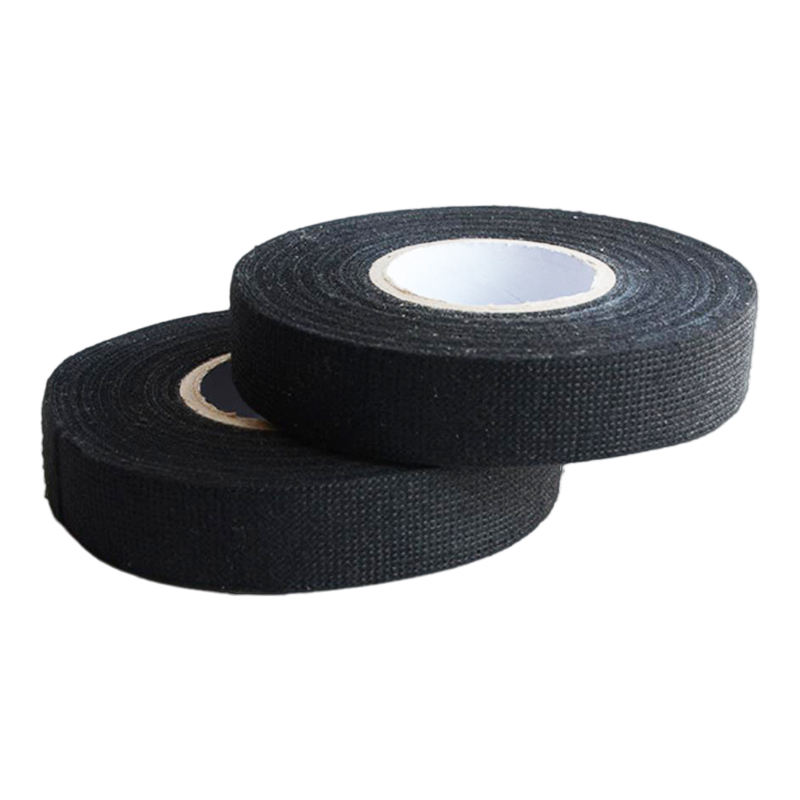
Heat-resistant wire harness tape offers several significant benefits, especially in environments where high temperatures are a concern. These advantages make it a critical component for ensuring the longevity and reliability of electrical systems.
Heat exposure can cause wires to overheat, leading to short circuits or malfunctions. Heat-resistant wire harness tape helps prevent these issues by providing insulation and protection, particularly in environments like automotive engines and industrial machinery, where high temperatures are common. This protection ensures smooth, safe operation.
One of the main advantages of heat-resistant tape is its ability to endure high temperatures over long periods. The tape’s durability extends the lifespan of wiring systems, reducing the need for frequent maintenance or replacements. This longevity results in cost savings and less downtime for businesses and consumers.
Heat-resistant wire harness tape is designed to resist more than just heat. It also provides protection against:
● Abrasion: Prevents wear from mechanical stress.
● Moisture: Shields wiring from water damage and corrosion.
● Chemicals: Resists exposure to harsh chemicals and solvents.
This makes the tape ideal for use in harsh conditions, ensuring the wiring remains intact even in challenging environments.
Selecting the right heat-resistant wire harness tape is essential for ensuring the durability and reliability of electrical systems. There are several factors to consider when making the best choice for your application.
When choosing heat-resistant wire harness tape, consider the following essential factors:
Temperature Range: Choose tape that can withstand the specific temperature conditions of your environment, ensuring that it doesn't degrade over time due to heat exposure.
Environmental Conditions: In addition to heat, assess exposure to moisture, chemicals, and mechanical stress that could impact the tape’s performance.
These factors help ensure that the tape provides the right protection under different conditions.
It's essential to select a wire harness tape that is compatible with the material of the wires it will cover. Below is a table outlining common wiring materials and the corresponding tape requirements:
Wiring Material | Tape Requirements |
PVC | Flexible tape with strong adhesion that doesn’t leave residue. |
Rubber | Tape with a strong adhesive that can withstand heat and wear. |
Teflon | Tape that maintains integrity while providing effective heat resistance. |
Ensuring compatibility between the tape and wire material maximizes the tape’s protective qualities and overall performance.
The application of wire harness tape greatly influences the type of tape needed. Here’s how to approach it:
Automotive and Aerospace: These industries deal with extreme temperatures and vibrations. For these environments, choose tapes rated for higher temperatures, often up to 392°F (200°C) or higher, to ensure long-lasting protection.
Industrial Settings: Industrial machines may not only face high heat but also mechanical wear and tear. Look for tapes that offer both heat resistance and durability against abrasions and physical stress.
By selecting the right tape for your specific application, you ensure that it will provide the best possible protection for your wiring system.
While it's tempting to choose the most affordable tape, it’s crucial to weigh the cost against performance. High-quality heat-resistant tapes may have a higher upfront cost, but they provide long-term value by:
Reducing the frequency of maintenance or repairs.
Preventing potential system failures caused by inferior tapes.
Investing in a high-performance tape ensures the longevity of your wiring system and helps avoid expensive repairs in the future.
While heat-resistant wire harness tape is effective, alternatives like heat-shrink tubing and cable wraps may also provide heat protection. Each method has its own advantages and drawbacks.
● Wire Harness Tape: Flexible, easy to apply, and offers excellent heat resistance.
● Heat-Shrink Tubing: Offers strong insulation but requires heat for application and can be less flexible.
● Cable Wraps: Provide protection from heat and abrasion but may not offer the same level of thermal resistance as specialized tapes.
Heat-resistant wire harness tape is essential for protecting electrical systems from high temperatures. By selecting the appropriate tape, you can prevent failures, reduce maintenance costs, and prolong the life of your wiring systems. When choosing the best tape, factors like temperature tolerance and material compatibility are key. Investing in quality heat-resistant tape ensures the durability and reliability of your electrical systems. If you need wire harness tape that can withstand extreme heat, consider high-quality products from trusted manufacturers likeZhejiang Quansheng New Material Technology Co., Ltd., known for their reliable and long-lasting solutions.
A: Wire harness tape is used to bundle and protect wires, ensuring they stay secure and insulated in various applications.
A: Yes, heat-resistant wire harness tape is designed to withstand high temperatures, protecting wiring systems from heat damage.
A: Extreme heat can degrade the adhesive or tape material, causing malfunctions. Heat-resistant wire harness tape prevents this.
A: Heat resistance ensures that wire harness tape can protect wiring in high-temperature environments, such as automotive engines.
A: Consider factors like temperature tolerance, material compatibility, and specific application needs to choose the right wire harness tape.
A: Heat-resistant wire harness tape prevents short circuits, extends system longevity, and resists abrasion and chemicals.


